
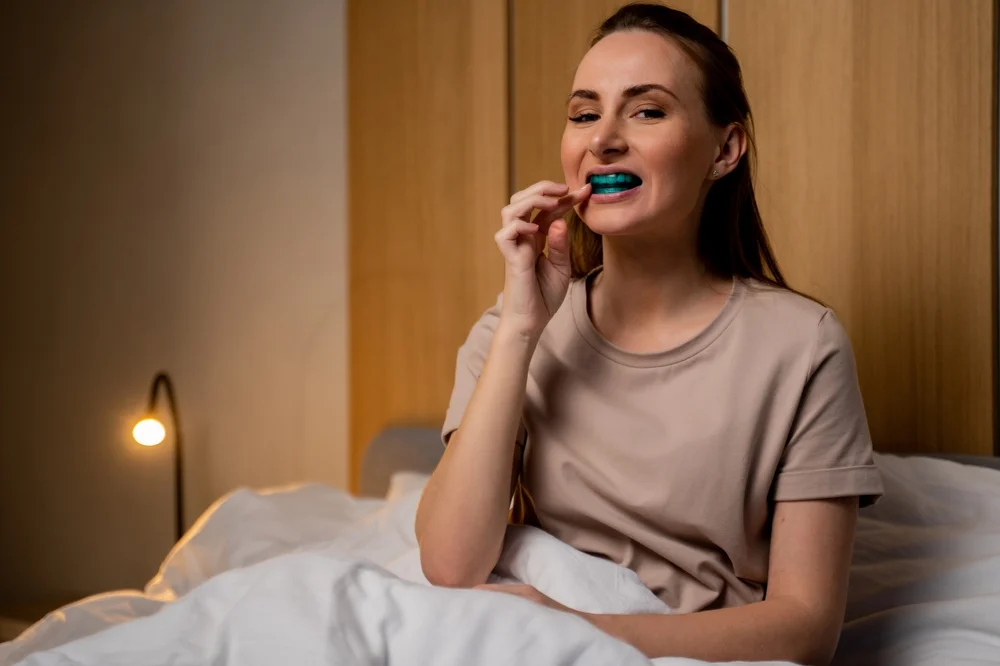
Do you wake up with a sore jaw, headaches, or sensitive teeth? Do you notice that your teeth feel uncomfortable in the morning, even when you brush and floss regularly? These symptoms may be signs that you grind or clench your teeth while sleeping.
Teeth grinding, also known as bruxism, can place repeated pressure on your teeth, jaw muscles, and temporomandibular joints (TMJs). Over time, it may contribute to tooth wear, cracks, jaw discomfort, and other oral health problems.
A dental night guard can help protect your teeth from the effects of grinding and clenching. However, not all night guards are the same. The right option depends on your symptoms, bite, dental health, and the severity of your grinding.
At Robertson Family Dentistry in Bells Corners, Ottawa, patients can discuss concerns about teeth grinding, jaw discomfort, and protective dental appliances with their dental care team.
In this guide, you will learn how to recognize the signs that you may need a night guard, compare different types, and understand which option may be better for your needs.
What Is a Dental Night Guard?
A dental night guard is a protective appliance worn over the upper or lower teeth, usually while sleeping. It creates a barrier between the teeth to help reduce damage caused by clenching or grinding.
Night guards are commonly recommended for people who experience sleep-related bruxism. Depending on the appliance and the individual’s needs, a dentist may also recommend one to help manage certain types of tooth wear or jaw muscle discomfort.
A night guard may help:
- Protect teeth from excessive wear caused by grinding.
- Reduce direct contact between the upper and lower teeth.
- Help manage some symptoms associated with clenching.
- Protect dental restorations, such as crowns, from excessive grinding forces.
- Support a dental treatment plan for people with bruxism.
Important: A night guard does not necessarily stop the habit of grinding. Instead, its main purpose is to protect the teeth and help manage the effects of clenching or grinding. It is also not a guaranteed treatment for jaw pain or temporomandibular disorders.
How Do You Know If You Need a Dental Night Guard?
Many people grind their teeth without realizing it because sleep-related grinding happens unconsciously. Often, a dentist identifies signs of bruxism during a dental examination.
Here are some common signs to watch for.
1. You Wake Up With Jaw Pain or Tightness
If your jaw feels tired, stiff, or sore when you wake up, you may be clenching your teeth during sleep. The jaw muscles can become overworked from repeated contractions throughout the night.
Persistent jaw discomfort should be assessed by a dentist, especially if it affects eating, speaking, or opening your mouth.
2. You Experience Morning Headaches
Some people who grind their teeth experience headaches around the temples or forehead after waking up. These headaches may be related to muscle tension, although many other conditions can cause similar symptoms.
If you regularly wake up with headaches, consider discussing the pattern with your dentist or healthcare provider rather than assuming grinding is the only cause.
3. Your Teeth Look Worn or Feel Sensitive
Repeated grinding can gradually wear down the enamel, the protective outer layer of your teeth. As enamel wears, teeth may become more sensitive to hot, cold, or sweet foods and drinks.
A dentist can examine your teeth for signs of wear, cracks, or other causes of sensitivity.
Learn more about tooth sensitivity and its common causes.
4. Someone Hears You Grinding Your Teeth at Night
A partner or family member may hear a grinding or scraping sound while you sleep. Although not everyone with bruxism makes noticeable sounds, this can be an important clue.
If someone has noticed repeated grinding, mention it at your next dental appointment.
5. You Have Chipped, Cracked, or Damaged Teeth
Grinding places repeated force on the teeth. Over time, this may contribute to chips, cracks, worn edges, or damage to existing restorations.
A night guard may help reduce further grinding-related damage, but a dentist should first assess any damaged teeth.
6. Your Jaw Clicks or Feels Uncomfortable
Jaw clicking, muscle tenderness, or discomfort near the ears can have several causes, including temporomandibular joint disorders. These symptoms do not automatically mean you need a night guard.
A dental assessment can help determine whether grinding may be contributing to your symptoms and whether another treatment approach is needed.
What Are the Different Types of Dental Night Guards?
Night guards vary in material, thickness, fit, and intended use. The best choice depends on your dental condition and the reason you need the appliance.
1. Custom-Made Dental Night Guard
A custom night guard is made specifically for your teeth using dental impressions or a digital scan, depending on the dental practice’s process.
Because it is designed for your mouth, a custom appliance can offer a more precise fit than many generic alternatives.
Potential benefits include:
- A fit tailored to your teeth and bite.
- More predictable comfort when properly designed and adjusted.
- Options for different levels of grinding and clenching.
- Reduced risk of the appliance fitting poorly or interfering with your bite.
Possible considerations:
- It generally costs more upfront than a store-bought guard.
- It requires a dental appointment and fabrication.
- It needs regular cleaning and periodic assessment.
A custom night guard may be a suitable option for people with frequent grinding, significant tooth wear, existing dental restorations, or difficulty tolerating over-the-counter appliances. Your dentist can help determine whether it is appropriate.
2. Boil-and-Bite Night Guard
Boil-and-bite night guards are available at many pharmacies and retail stores. The material is softened in hot water and moulded around the teeth according to the product instructions.
Potential benefits include:
- Lower initial cost.
- Convenient access without a dental laboratory.
- The ability to mould the guard at home.
Possible limitations include:
- The fit may be less precise than a professionally made appliance.
- The guard may feel bulky or uncomfortable.
- Incorrect moulding can result in a poor fit.
- Some products may not be suitable for people with certain dental conditions or extensive restorations.
If you try a boil-and-bite guard and it causes pain, feels unstable, changes your bite, or makes symptoms worse, stop using it and seek dental advice.
3. Stock or Ready-Made Night Guard
Stock night guards are pre-formed appliances that are not individually moulded to your teeth.
They are often easy to find and may have a relatively low purchase price. However, because they come in predetermined shapes and sizes, they may not fit every mouth securely.
A poor fit can make an appliance uncomfortable and difficult to keep in place during sleep. For this reason, a generic stock guard may not be the best long-term choice for someone with persistent or significant grinding.
4. Hard, Soft, or Dual-Laminate Night Guards
Night guards can also differ in material.
- Soft night guards: Flexible and sometimes comfortable for people with mild symptoms, but they may not be appropriate for every grinding pattern.
- Hard night guards: Made from a more rigid material and often selected for specific bite or grinding concerns.
- Dual-laminate guards: Combine a softer inner layer with a firmer outer layer in some designs.
There is no single material that is best for everyone. A dentist should consider your bite, grinding severity, comfort, and dental history before recommending a particular design.
Which Dental Night Guard Is Better: Custom or Store-Bought?
For many people who grind their teeth regularly, a professionally assessed, custom-made night guard may offer the best combination of fit, comfort, and individualized protection. However, the right option depends on your circumstances.
| Feature | Custom-made night guard | Store-bought night guard |
| Fit | Designed for your teeth | Generic or self-moulded |
| Comfort | Can be adjusted for your mouth | Varies by product and fit |
| Initial cost | Usually higher | Usually lower |
| Personalization | Based on dental assessment | Limited |
| Follow-up | Can be checked and adjusted by a dentist | Depends on the product and dental advice |
| Best use | Often considered for ongoing or more complex needs | May suit some people seeking a temporary or lower-cost option |
Which should you choose?
A custom guard is worth discussing with your dentist if you:
- Grind your teeth frequently.
- Have visible tooth wear or repeated chips.
- Have crowns, bridges, or other dental restorations that need consideration.
- Find store-bought guards uncomfortable or unstable.
- Have ongoing jaw discomfort that may be related to clenching.
A store-bought guard may seem convenient, but it should not replace a dental assessment when symptoms are persistent or teeth are being damaged. Not every person with jaw pain or headaches needs a night guard.
What Happens During a Dental Night Guard Appointment?
If you think you may need a night guard, your dentist can assess your symptoms and examine your teeth and bite.
The appointment may include:
- Discussing your symptoms: You may be asked about morning jaw pain, headaches, grinding sounds, sleep habits, and any damaged teeth.
- Examining your teeth: Your dentist may look for worn enamel, cracks, chips, and damage to fillings or crowns.
- Assessing your bite and jaw: This helps determine whether an appliance may be appropriate and what design might suit you.
- Taking impressions or a digital scan: If a custom guard is recommended, your teeth may be recorded to create an appliance that fits your mouth.
- Checking the fit: Once the guard is ready, your dentist can assess its fit and make adjustments if needed.
Ask your dentist how often the guard should be reviewed and when it should be replaced.
How to Care for Your Dental Night Guard
Proper care helps keep your night guard clean and in good condition.
Follow these practical tips:
- Rinse the guard after each use.
- Clean it according to your dentist’s instructions and the manufacturer’s recommendations.
- Use a dedicated, ventilated storage case.
- Let the appliance dry before storing it, unless its instructions say otherwise.
- Keep it away from hot water, which can distort some materials.
- Avoid harsh cleaners unless they are specifically approved for your appliance.
- Bring it to dental checkups so your dentist can look for wear, cracks, or fit changes.
Do not share your night guard with anyone else. If it becomes damaged, no longer fits properly, or causes new discomfort, have it assessed before continuing to use it.
Can You Prevent Teeth Grinding Without a Night Guard?
A night guard can protect your teeth, but it may not address every factor contributing to grinding. Depending on the cause, additional strategies may help.
Consider the following:
- Manage stress: Relaxation techniques, gentle stretching, or a consistent bedtime routine may help some people manage stress-related clenching.
- Review caffeine and alcohol habits: These substances may affect sleep or grinding in some people. Discuss relevant habits with your healthcare provider if needed.
- Maintain a regular sleep schedule: Consistent sleep habits can support overall sleep health.
- Avoid chewing on hard objects: Do not use your teeth to bite pens, ice, or other hard items.
- Seek advice about sleep problems: Snoring, breathing pauses during sleep, or excessive daytime sleepiness may warrant medical assessment. A night guard is not a substitute for evaluating possible sleep-related breathing disorders.
Do not attempt to permanently change your bite or use dental appliances that have not been assessed for your needs.
When Should You See a Dentist?
Arrange a dental appointment if you notice ongoing tooth sensitivity, visible tooth wear, frequent morning jaw soreness, or repeated damage to your teeth.
Seek prompt dental care for a cracked tooth, significant dental pain, or a damaged restoration. Facial swelling, fever with dental pain, or difficulty swallowing requires urgent assessment; difficulty breathing or swallowing may require emergency medical care.
If you have jaw pain, locking, or trouble opening your mouth, a dentist can help assess whether the symptoms may be related to grinding or another condition.
Dental Night Guards at Robertson Family Dentistry in Bells Corners
If you suspect that you grind or clench your teeth while sleeping, an assessment can help you understand the possible causes and protect your oral health.
At Robertson Family Dentistry, patients in Bells Corners and the greater Ottawa area can discuss concerns about tooth wear, jaw discomfort, and whether a dental night guard may be appropriate for their needs.
A dentist can assess your teeth and bite, explain available options, and help you understand the benefits and limitations of different appliances.
Learn more about Robertson Family Dentistry and contact the practice to ask about an appointment.
Frequently Asked Questions About Dental Night Guards
1. How do I know if I need a dental night guard?
Common signs include waking up with jaw soreness, grinding sounds during sleep, worn teeth, unexplained tooth sensitivity, and repeated chips or cracks. These signs can have other causes, so a dental examination is the best way to determine whether a night guard may help.
2. Is a custom night guard better than a store-bought one?
A custom night guard is designed for your teeth and may provide a more precise fit. It is often worth considering for regular grinding or complex dental needs. A store-bought option may be less expensive, but its fit and suitability can vary.
3. Can a night guard stop teeth grinding?
A night guard primarily protects the teeth from grinding and clenching forces. It does not necessarily eliminate the underlying habit or cause of bruxism.
4. Can I wear a night guard every night?
Many people who are prescribed a night guard wear it nightly. Follow your dentist’s instructions, and arrange an assessment if it causes pain, feels unstable, or changes the way your teeth fit together.
5. Can a night guard help with headaches?
It may help some people whose headaches are associated with sleep-related grinding or jaw muscle tension. However, headaches have many possible causes, and a night guard will not help every type of headache.
6. Are soft or hard night guards better?
Neither type is best for everyone. The choice depends on your grinding pattern, bite, dental health, and comfort. Your dentist can recommend a suitable design.
7. How long does a dental night guard last?
Its lifespan depends on the material, how often you use it, the force of your grinding, and how well you maintain it. Check it regularly and have your dentist assess signs of wear or damage.
8. Can a night guard damage my teeth?
A properly selected and fitted night guard is generally used to protect teeth. However, a poorly fitting, damaged, or unsuitable appliance may cause discomfort or affect your bite. Stop using it and seek dental advice if you notice new pain or bite changes.
9. Can I use a night guard if I have crowns or fillings?
Possibly. Your dentist should assess your existing restorations and overall dental health before recommending an appliance. Do not assume that every over-the-counter guard is suitable for your mouth.
10. Does jaw clicking mean I need a night guard?
Not necessarily. Jaw clicking can occur for several reasons, and many people with clicking do not need a night guard. A dentist can assess the cause, especially if clicking is accompanied by pain or limited movement.
11. Is a night guard the same as a sports mouthguard?
No. A night guard is generally designed to protect teeth from grinding during sleep. A sports mouthguard is designed to help protect the teeth and mouth from impacts during physical activity. They are not automatically interchangeable.
12. Should I see a dentist if I only grind my teeth occasionally?
It is sensible to mention occasional grinding at your next dental visit, especially if you have sensitivity, pain, or visible wear. Your dentist can help determine whether monitoring, preventive steps, or a night guard is appropriate.
Final Thoughts
A dental night guard can be a useful way to protect your teeth if you grind or clench them during sleep. Signs such as morning jaw soreness, worn enamel, tooth sensitivity, and repeated chips may indicate that you should seek a dental assessment.
Although store-bought guards are convenient, a custom-made appliance may provide a more individualized fit for people with ongoing or complex needs. The best choice depends on your symptoms, bite, and dental health.
If you are concerned about teeth grinding or want to explore night guard options, contact Robertson Family Dentistry in Bells Corners to discuss an assessment and the most appropriate next steps for your oral health.