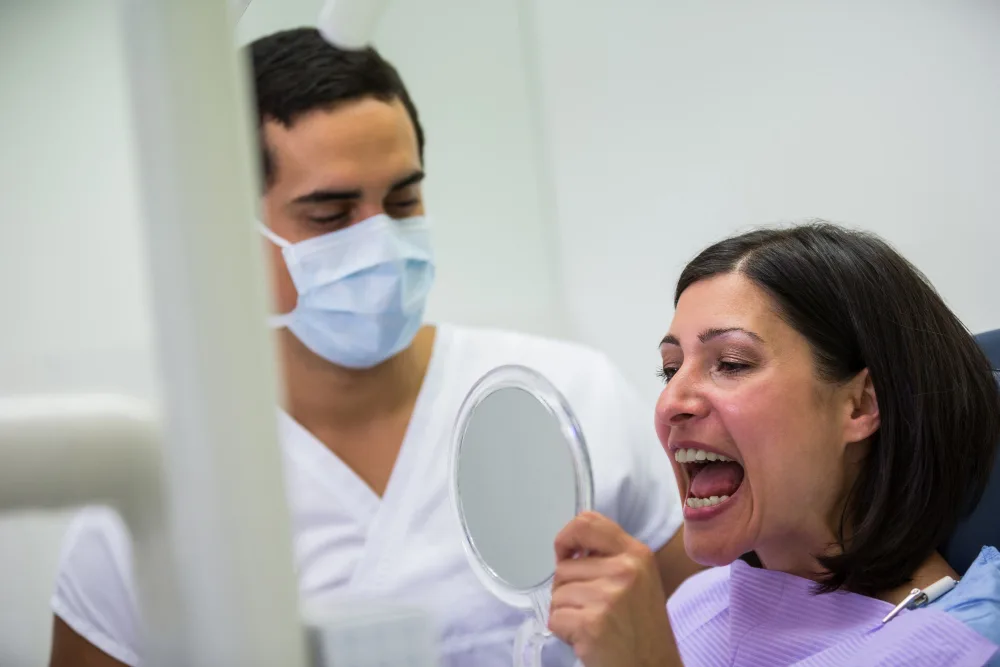
A bright, white smile is often associated with confidence, good health, and a youthful appearance. As a result, teeth whitening has become one of the most popular cosmetic dental treatments available today. Whether you’re preparing for a special event, improving your professional appearance, or simply wanting a brighter smile, teeth whitening can produce noticeable results in a relatively short amount of time.
One of the most common questions patients ask is: How long does teeth whitening last?
The answer depends on several factors, including the type of whitening treatment used, lifestyle habits, oral hygiene practices, and individual dental characteristics.
At Robertson Family Dentistry, we help patients achieve brighter smiles through professional cosmetic dentistry treatments while also educating them on how to maintain their results for as long as possible.
Understanding Teeth Whitening
Teeth whitening is a cosmetic procedure designed to remove stains and discoloration from the surface and deeper layers of teeth.
Over time, teeth naturally become darker due to aging, food and beverage consumption, tobacco use, and certain medications. Whitening treatments use specialized bleaching agents that break down stain molecules, resulting in a brighter appearance.
Professional teeth whitening is generally more effective than over-the-counter products because it uses stronger whitening agents and customized treatment plans.
How Long Does Professional Teeth Whitening Last?
Professional teeth whitening results typically last anywhere from six months to three years.
Most patients enjoy noticeable whitening for approximately one to two years when they maintain good oral hygiene and avoid habits that contribute to staining.
The longevity of whitening results varies significantly from person to person. Some individuals maintain bright smiles for several years, while others may require touch-up treatments sooner.
Factors That Affect How Long Teeth Whitening Lasts
Several factors influence the lifespan of whitening results.
Dietary Habits
Certain foods and beverages are known to stain teeth.
Coffee, tea, red wine, cola, berries, soy sauce, and tomato-based sauces contain pigments that can gradually darken teeth.
Individuals who frequently consume these products may notice whitening results fading more quickly.
Tobacco Use
Smoking and tobacco products are among the leading causes of tooth discoloration.
Nicotine and tar can create stubborn yellow and brown stains that significantly reduce the longevity of whitening treatments.
Oral Hygiene
Good oral hygiene plays a major role in maintaining whitening results.
Brushing twice daily, flossing regularly, and attending professional cleanings help remove plaque and surface stains before they become deeply embedded.
Age
As people age, enamel naturally becomes thinner, revealing more of the darker dentin beneath. This can affect how long whitening results remain noticeable.
Genetics
Some individuals naturally have thicker enamel or lighter tooth shades, allowing whitening results to appear more dramatic and last longer.
Professional Whitening vs Store-Bought Products
Many whitening products are available in pharmacies and online, including whitening strips, toothpastes, gels, and LED kits.
While these products may improve mild discoloration, they generally do not produce results comparable to professional treatment.
Professional whitening offers:
- Stronger whitening agents
- Faster results
- More even whitening
- Customized treatment
- Better long-term outcomes
Because professional treatments address deeper stains, results typically last much longer than over-the-counter alternatives.
What Causes Teeth to Become Discolored?
Understanding the causes of tooth staining can help patients protect their whitening investment.
Extrinsic stains occur on the outer enamel surface and are commonly caused by foods, drinks, and tobacco.
Intrinsic stains develop inside the tooth and may result from aging, medications, trauma, or excessive fluoride exposure.
Both types of staining can affect the longevity of whitening results.
How to Make Teeth Whitening Last Longer
Maintaining whitening results requires consistent care.
One of the most effective strategies is limiting exposure to staining foods and beverages. When consuming coffee, tea, or dark-colored drinks, using a straw may help reduce contact with teeth.
Rinsing with water after meals can also minimize staining.
Maintaining excellent oral hygiene is equally important. Daily brushing and flossing help remove plaque and prevent stain accumulation.
Professional dental cleanings every six months help keep teeth looking brighter while allowing your dentist to monitor your oral health.
Many patients also benefit from periodic touch-up whitening treatments to maintain their desired shade.
Are Whitening Results Permanent?
No whitening treatment can permanently prevent future discoloration.
Teeth are continuously exposed to substances that can cause staining, and natural aging processes also contribute to color changes over time.
However, professional whitening combined with proper maintenance can keep teeth significantly brighter for extended periods.
Is Teeth Whitening Safe?
When performed under professional supervision, teeth whitening is generally considered safe and effective.
Some patients experience temporary tooth sensitivity or mild gum irritation, but these side effects typically resolve within a few days.
Professional treatment ensures that whitening products are used appropriately and safely.
Who Is a Good Candidate for Teeth Whitening?
Most healthy adults with stained or discolored teeth are good candidates for whitening treatment.
However, whitening may not be suitable for everyone.
Patients with untreated cavities, gum disease, severe enamel erosion, or certain types of dental restorations may require alternative cosmetic solutions.
A dental consultation can determine whether whitening is the right choice for your smile goals.
Why Choose Professional Teeth Whitening?
Professional teeth whitening offers predictable, long-lasting results that are difficult to achieve with over-the-counter products.
At Robertson Family Dentistry, we work closely with patients to develop personalized cosmetic treatment plans designed to improve both the appearance and health of their smiles.
Professional guidance helps ensure safe treatment, realistic expectations, and long-term success.
Conclusion
Professional teeth whitening is one of the most effective ways to enhance your smile and boost your confidence. While results are not permanent, they can last anywhere from six months to three years depending on your habits, oral hygiene routine, and overall dental health.
By limiting stain-causing foods and beverages, maintaining regular dental visits, and following your dentist’s recommendations, you can enjoy a brighter smile for years to come. If you’re considering teeth whitening or looking to maintain your current results, the team at Robertson Family Dentistry can help you achieve and preserve the smile you want.
FAQs
How long does professional teeth whitening last?
Most patients enjoy results for one to three years with proper maintenance.
Does coffee ruin teeth whitening?
Coffee can contribute to staining over time, but moderate consumption combined with good oral hygiene can help preserve results.
How often can I whiten my teeth?
The frequency depends on the whitening method used and your dentist’s recommendations. Many patients benefit from occasional touch-up treatments.
Is professional whitening better than whitening strips?
Professional whitening generally produces faster, more noticeable, and longer-lasting results than over-the-counter whitening strips.
Can yellow teeth become white again?
In many cases, professional whitening can significantly improve the appearance of yellow teeth, although results vary depending on the cause of discoloration.

Related Articles

Robertson Family Dentistry

Robertson Family Dentistry