
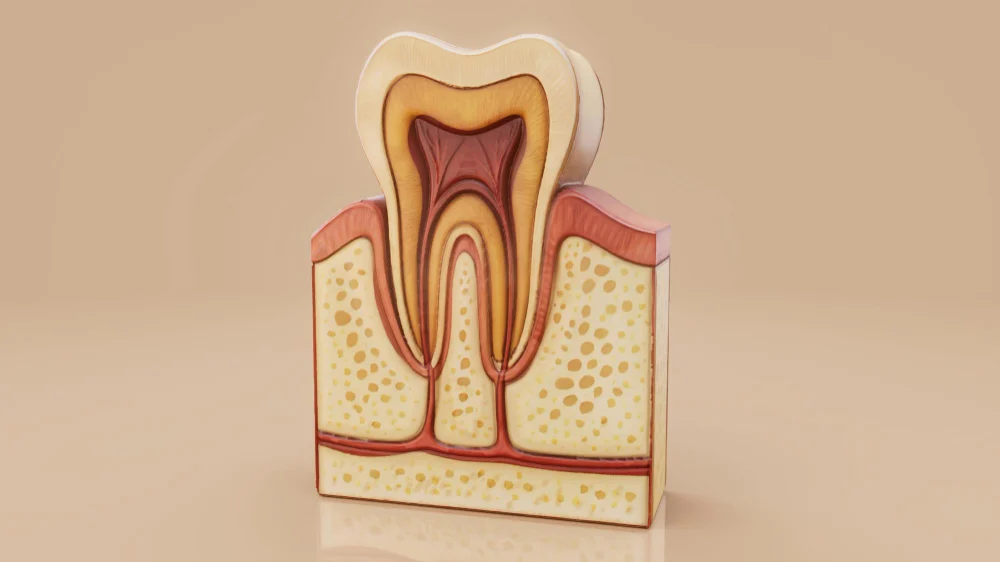
Gum disease is one of the most common oral health conditions affecting millions of people worldwide, yet many individuals do not realize they have it until it has progressed to a more serious stage. Because gum disease often develops gradually and painlessly, early symptoms can easily be overlooked. However, recognizing the warning signs early can help prevent tooth loss, protect your overall health, and save you from costly dental treatments in the future.
At Robertson Family Dentistry, we regularly help patients identify and treat gum disease before it causes permanent damage. Understanding the stages of gum disease and knowing what symptoms to watch for can help you take action before the condition progresses.
What Is Gum Disease?
Gum disease, also known as periodontal disease, is an infection of the tissues that support your teeth. It begins when plaque, a sticky film of bacteria, accumulates on the teeth and along the gumline. If plaque is not removed through proper brushing, flossing, and professional dental cleanings, it can harden into tartar, leading to inflammation and infection.
Over time, untreated gum disease can damage the gums, jawbone, and supporting structures of the teeth.
Why Gum Health Matters
Many people assume gum disease only affects the mouth, but research has shown links between periodontal disease and several systemic health conditions, including heart disease, diabetes, respiratory infections, and complications during pregnancy.
Healthy gums play a critical role in supporting strong teeth and maintaining overall oral health. When gum disease develops, the infection can spread beneath the gumline and affect the structures that keep teeth firmly in place.
Stage 1: Gingivitis
Gingivitis is the earliest and most treatable stage of gum disease.
At this stage, bacteria in plaque irritate the gums, causing inflammation. The good news is that gingivitis has not yet damaged the underlying bone or connective tissues that support the teeth.
Common Signs of Gingivitis
You may notice:
- Red or swollen gums
- Tender gums
- Bleeding while brushing or flossing
- Persistent bad breath
- Mild gum sensitivity
Many people ignore these symptoms because they are not painful. However, healthy gums should not bleed during brushing or flossing. Bleeding gums are often one of the first warning signs that something is wrong.
Can Gingivitis Be Reversed?
Yes. Gingivitis is fully reversible with professional dental care and improved oral hygiene habits. Regular dental cleanings remove plaque and tartar buildup, allowing the gums to heal.
Daily brushing, flossing, and routine dental visits are often enough to eliminate gingivitis before it progresses.
Stage 2: Early Periodontitis
If gingivitis is left untreated, the infection begins to spread deeper below the gumline. This stage is known as early periodontitis.
At this point, bacteria start damaging the connective tissues and bone supporting the teeth. Unlike gingivitis, the damage caused by periodontitis cannot be completely reversed.
Symptoms of Early Periodontitis
Patients may experience:
- Continued gum bleeding
- Increased inflammation
- Persistent bad breath
- Receding gums
- Formation of small pockets between teeth and gums
- Increased sensitivity
As the gums pull away from the teeth, bacteria can accumulate in the pockets, making the infection more difficult to control.
Why Early Treatment Is Important
Treating periodontitis in its early stages can significantly slow its progression and help preserve the supporting bone around the teeth. Professional periodontal therapy and improved oral hygiene can often stabilize the condition before extensive damage occurs.
Stage 3: Moderate Periodontitis
As periodontal disease advances, the infection becomes more aggressive and begins causing noticeable damage to the structures supporting the teeth.
During moderate periodontitis, bacteria spread deeper into the periodontal pockets and destroy more bone tissue.
Symptoms of Moderate Periodontitis
Patients may notice:
- More pronounced gum recession
- Increased tooth sensitivity
- Loose teeth
- Discomfort while chewing
- Larger periodontal pockets
- Pus around the gums
- Persistent bad breath
At this stage, many people begin noticing changes in their smile and oral function. Teeth may appear longer due to gum recession, and chewing may become uncomfortable.
Treatment Options
Treatment may include deep cleaning procedures such as scaling and root planing, antibacterial therapy, and more frequent periodontal maintenance visits.
Early intervention remains essential to prevent further deterioration.
Stage 4: Advanced Periodontitis
Advanced periodontitis is the most severe stage of gum disease. By this point, significant bone loss has occurred, and teeth may no longer have adequate support.
Symptoms of Advanced Periodontitis
Common symptoms include:
- Severe gum recession
- Significant tooth mobility
- Pain while chewing
- Shifting teeth
- Changes in bite alignment
- Chronic infection
- Tooth loss
Without treatment, advanced periodontitis can eventually result in multiple missing teeth and extensive damage to oral structures.
Long-Term Consequences
Tooth loss is one of the most serious consequences of advanced gum disease. Missing teeth can affect speech, chewing ability, facial appearance, and overall quality of life.
The condition may also require more complex restorative treatments such as dental implants, bridges, or dentures.
What Causes Gum Disease?
Several factors can increase the risk of developing periodontal disease.
Poor oral hygiene remains the most common cause. When plaque is not removed regularly, bacteria multiply and trigger inflammation.
Other contributing factors include smoking, diabetes, hormonal changes, genetics, certain medications, chronic stress, and dry mouth conditions.
Age can also play a role, as older adults often face a higher risk of gum disease due to years of plaque accumulation and changes in oral tissues.
How Dentists Diagnose Gum Disease
A dentist evaluates gum health through a comprehensive examination.
This may involve measuring periodontal pocket depths, assessing gum recession, checking for bleeding and inflammation, and taking dental X-rays to evaluate bone loss.
These assessments help determine the severity of the condition and guide treatment recommendations.
How to Prevent Gum Disease
Prevention is always easier and more affordable than treatment.
Brushing twice daily with fluoride toothpaste helps remove plaque before it hardens into tartar. Flossing daily cleans areas that a toothbrush cannot reach.
Regular dental checkups and professional cleanings are equally important because they remove tartar deposits and allow dentists to identify problems early.
A balanced diet, avoiding tobacco products, and managing health conditions such as diabetes can further reduce the risk of periodontal disease.
Why Regular Dental Visits Matter
Many early signs of gum disease are difficult to detect without a professional examination. Patients often feel little to no pain until significant damage has occurred.
Routine visits to Robertson Family Dentistry allow dental professionals to identify early warning signs and provide treatment before the disease progresses. Early intervention not only protects your oral health but can also help you avoid more extensive procedures in the future.
Conclusion
Gum disease is a progressive condition that often begins with mild symptoms but can eventually lead to serious oral health complications if left untreated. Understanding the stages of gum disease—from gingivitis to advanced periodontitis—can help you recognize warning signs early and seek professional care before irreversible damage occurs.
If you notice bleeding gums, persistent bad breath, gum recession, or tooth sensitivity, scheduling a dental examination is one of the most important steps you can take to protect your smile. At Robertson Family Dentistry, our team is committed to helping patients maintain healthy gums and prevent periodontal disease through personalized, preventive dental care.
FAQs
What is the first sign of gum disease?
Bleeding gums during brushing or flossing is often the earliest sign of gum disease.
Can gum disease go away on its own?
No. Professional dental treatment and improved oral hygiene are typically required to stop the progression of gum disease.
Is gum disease reversible?
Gingivitis, the earliest stage of gum disease, is reversible. More advanced stages can be managed, but not fully reversed.
Can gum disease cause tooth loss?
Yes. Advanced periodontal disease can destroy the bone and tissues supporting the teeth, leading to tooth loss.
How often should I have my gums checked?
Most patients should have a dental examination and cleaning every six months, although individuals with periodontal disease may require more frequent visits.