Robertson Family Dentistry

Author name: Adam

worst foods for oral health
Robertson Family Dentistry

Foods and Drinks That Can Affect Your Teeth

Daily food and beverage choices can influence oral health over time. While enjoying favourite snacks and drinks is part of everyday life, certain items may affect teeth and gums when consumed frequently without proper oral hygiene habits. Families in Bells Corners often benefit from understanding how different foods interact with teeth and how routine dental care can help support long-term oral wellness. At Robertson Family Dentistry, preventive dental care and oral hygiene education remain an important part of maintaining healthy habits for all ages. Sugary Snacks and Candies Sugary snacks may remain on teeth longer, especially sticky or chewy sweets. Common examples include: Gummies Caramel Hard candies Toffee Chewy fruit snacks Frequent snacking throughout the day may increase sugar exposure on teeth, particularly when brushing and flossing are delayed. Soft Drinks and Carbonated Beverages Soft drinks and fizzy beverages often contain sugar and acids that may affect enamel over time. Examples include: Soda Sweetened sparkling drinks Energy drinks Flavoured carbonated beverages Drinking water after consuming these beverages may help rinse the mouth and support hydration. Coffee and Tea Coffee and tea are common daily beverages for many adults in Canada. Over time, darker beverages may contribute to staining on teeth. Additional factors may include: Added sugar Frequent sipping throughout the day Limited water intake Rinsing with water after coffee or tea may help reduce staining buildup between brushings. Citrus Fruits and Acidic Foods Citrus fruits naturally contain acids that may affect enamel with repeated exposure. Examples include: Lemons Limes Oranges Grapefruits Balanced eating habits and proper oral hygiene can help support overall oral health while still enjoying acidic foods in moderation. Sticky Dried Fruits Dried fruits are often viewed as convenient snacks, but they may stick to the teeth similarly to candy. Examples include: Raisins Dates Dried apricots Dried cranberries Flossing after snacks may help remove leftover particles between teeth. Sports and Energy Drinks Sports and energy drinks are commonly consumed during physical activities or busy workdays. Many contain acids and sugars that may affect teeth over time. Water is often a practical option for staying hydrated during regular daily activities. Ice Chewing Habits Chewing ice may place unnecessary pressure on teeth and could contribute to: Minor chips Surface wear Tooth sensitivity Using ice to cool drinks without chewing it may help reduce stress on tooth surfaces. Dark Sauces and Highly Pigmented Foods Certain foods may gradually affect the appearance of teeth due to their darker pigments. Examples include: Tomato sauce Curry dishes Soy sauce Berries Regular brushing and routine dental cleanings may help maintain a cleaner appearance over time. Helpful Oral Care Habits After Meals Simple daily habits may help support cleaner teeth and gums after eating or drinking. Helpful practices include: Drinking water after meals Brushing twice daily Flossing regularly Limiting frequent sugary snacks Maintaining routine dental visits The team at Robertson Family Dentistry encourages consistent oral hygiene habits for both children and adults. Foods That Support Everyday Oral Care Habits Some foods may help support balanced oral hygiene routines. Examples include: Apples Crunchy vegetables Yogurt Cheese Leafy greens A balanced diet combined with routine dental visits may help support long-term oral wellness. Why Regular Dental Visits Matter Daily oral care habits are important, but regular dental visits also play a role in maintaining oral health. Routine checkups may help with: Professional cleanings Monitoring oral health changes Reviewing oral hygiene habits Examining teeth and gums For families in Bells Corners, scheduling regular visits with Robertson Family Dentistry can support consistent oral care routines throughout the year. Final Thoughts Food and beverage choices can affect teeth in different ways over time. Sugary snacks, acidic drinks, sticky foods, and staining beverages are all common parts of daily routines, making regular oral care habits especially important. By combining balanced eating habits with regular dental checkups, individuals and families in Bells Corners can continue supporting healthy everyday oral care routines.

Common signs that you need a dental checkup
Robertson Family Dentistry

Common Signs You May Need a Dental Checkup

Oral health habits can change over time, which is why paying attention to small changes in your teeth and gums is important. Many people wait until discomfort becomes noticeable before scheduling a dental appointment, but certain signs may indicate it is time for a routine dental checkup earlier. For individuals and families in Bells Corners, regular dental visits with Robertson Family Dentistry can help support long-term oral hygiene and preventive care routines. Persistent Tooth Sensitivity Sensitivity to hot, cold, or sweet foods can happen occasionally. However, if it becomes more frequent or starts interfering with daily activities, it may be worth scheduling a dental visit. You may notice sensitivity when: Drinking coffee or cold beverages Eating ice cream or sweets Brushing certain areas of the mouth Breathing in cold air outdoors during Canadian winters Regular dental exams may help monitor changes in tooth sensitivity and overall oral comfort. Bleeding Gums During Brushing or Flossing Healthy gums generally should not bleed regularly during brushing or flossing. If you notice redness, swelling, or tenderness near the gumline, it may be a sign that your oral hygiene routine needs additional attention. Common signs include: Bleeding while flossing Puffy gums Gum tenderness Ongoing irritation The team at Robertson Family Dentistry encourages consistent brushing and flossing habits as part of everyday oral care. Ongoing Bad Breath Bad breath after meals is common, but persistent bad breath that does not improve with brushing or mouthwash may indicate a need for a dental checkup. Factors that may contribute include: Food particles trapped between teeth Dry mouth Plaque buildup Inconsistent oral hygiene habits Routine cleanings may help support fresher breath and cleaner teeth. Tooth Pain or Discomfort Tooth discomfort should never be ignored, even if it seems mild or temporary. Pain while chewing or sensitivity that continues for several days may affect daily comfort. Signs to monitor include: Sharp discomfort Pressure sensitivity Pain while eating Throbbing sensations Residents in Bells Corners often benefit from scheduling a dental visit when discomfort becomes persistent rather than waiting for symptoms to worsen. Changes in the Appearance of Teeth Changes in tooth appearance may happen gradually over time. You may notice: Dark spots Chipping Uneven edges Surface staining Minor cracks Monitoring these changes during routine appointments may help support ongoing oral care planning. Dry Mouth That Happens Frequently Dry mouth can affect daily comfort and may become more noticeable during colder months or after consuming caffeinated beverages. Common symptoms include: Sticky feeling in the mouth Frequent thirst Dry lips Difficulty swallowing Saliva plays an important role in maintaining oral balance, making hydration and oral hygiene especially important. Jaw Pain or Clicking Sounds Jaw discomfort can sometimes develop due to clenching, grinding, or bite-related habits. You may notice: Clicking sounds Morning jaw tightness Difficulty chewing comfortably Mild headaches near the jaw area Scheduling a dental checkup may help identify habits that could be affecting everyday comfort. Why Routine Dental Checkups Matter Routine dental visits are an important part of preventive oral care for adults, teens, and children. Regular appointments may help with: Professional cleanings Monitoring oral changes Reviewing oral hygiene habits Examining teeth and gums Supporting long-term oral wellness At Robertson Family Dentistry, families in Bells Corners can access dental care in a welcoming and family-focused environment. Final Thoughts Changes such as tooth sensitivity, gum irritation, bad breath, or discomfort may indicate that it is time for a dental checkup. Staying proactive with oral hygiene routines and scheduling regular appointments can support healthier long-term habits. For individuals and families looking for ongoing dental care in Bells Corners, Robertson Family Dentistry offers family-focused dental services designed to support everyday oral health needs.  

how to avoid common Dental Problems
Robertson Family Dentistry

Common Dental Problems and How to Avoid Them

Maintaining good oral health is essential not just for a bright smile, but for your overall well-being. Yet, many people experience dental problems at some point in their lives—often due to preventable causes. The good news? With the right habits and awareness, most common dental issues can be avoided or managed early. In this guide, we’ll explore the most common dental problems and practical ways to prevent them, so you can keep your teeth and gums healthy for years to come. Why Oral Health Matters Your mouth is the gateway to your body. Poor oral hygiene doesn’t just lead to toothaches or bad breath—it can also contribute to more serious health concerns. Issues like gum disease have been linked to conditions such as heart disease and diabetes. That’s why prevention and early care are key. Understanding common dental problems is the first step toward avoiding them. 1. Tooth Decay (Cavities) Tooth decay is one of the most widespread dental issues across all age groups. It occurs when plaque—a sticky film of bacteria—builds up on teeth and produces acids that erode enamel. Common Causes: Frequent consumption of sugary or acidic foods Poor brushing and flossing habits Lack of regular dental check-ups How to Avoid It: Brush your teeth at least twice a day with fluoride toothpaste Floss daily to remove plaque between teeth Limit sugary snacks and beverages Visit your dentist regularly for cleanings and exams Early-stage cavities can often be treated easily, but untreated decay can lead to pain, infection, and more complex procedures. 2. Gum Disease (Gingivitis and Periodontitis) Gum disease starts as gingivitis—characterized by red, swollen gums that may bleed when brushing. If left untreated, it can progress to periodontitis, a more serious condition that can damage the bone supporting your teeth. Warning Signs: Bleeding gums Persistent bad breath Gum recession Loose teeth Prevention Tips: Maintain a consistent oral hygiene routine Use an antibacterial mouthwash Avoid smoking or tobacco use Schedule regular professional cleanings Healthy gums are the foundation of a healthy smile, so don’t ignore early signs of trouble. 3. Tooth Sensitivity If you experience discomfort when consuming hot, cold, sweet, or acidic foods, you may have sensitive teeth. This usually happens when the protective enamel wears down or gums recede, exposing the underlying dentin. Causes Include: Brushing too hard Enamel erosion from acidic foods Gum recession Teeth grinding How to Manage and Prevent: Use a toothpaste designed for sensitive teeth Brush gently with a soft-bristle toothbrush Avoid overly acidic foods and drinks Wear a mouthguard if you grind your teeth Addressing sensitivity early can prevent further damage and discomfort. 4. Bad Breath (Halitosis) Bad breath can be embarrassing and is often a sign of underlying oral health issues. Common Causes: Poor oral hygiene Food particles trapped between teeth Dry mouth Gum disease or tooth decay Prevention Strategies: Brush your tongue as well as your teeth Stay hydrated to prevent dry mouth Floss daily Avoid strong-smelling foods when necessary Visit your dentist to rule out deeper issues Persistent bad breath shouldn’t be ignored, as it may indicate a more serious condition. 5. Tooth Erosion Tooth erosion occurs when acids wear away the enamel, making teeth more vulnerable to decay and sensitivity. Causes: Frequent consumption of acidic foods and drinks (like soda and citrus) Acid reflux or digestive issues Dry mouth How to Prevent It: Limit acidic foods and beverages Rinse your mouth with water after consuming acidic items Wait at least 30 minutes before brushing after eating acidic foods Use fluoride products to strengthen enamel Protecting your enamel is crucial because, once lost, it cannot regenerate. 6. Teeth Grinding (Bruxism) Many people grind or clench their teeth, often without realizing it—especially during sleep. Over time, this can lead to worn teeth, jaw pain, and headaches. Signs of Bruxism: Flattened or chipped teeth Jaw soreness Frequent headaches Increased tooth sensitivity How to Prevent Damage: Use a custom mouthguard at night Reduce stress through relaxation techniques Avoid caffeine and alcohol before bedtime Seek professional advice if symptoms persist Managing bruxism early can prevent long-term damage to your teeth and jaw. 7. Oral Infections and Abscesses Dental infections occur when bacteria enter the inner parts of the tooth or gums, leading to painful abscesses. Symptoms: Severe toothache Swelling in the face or gums Fever Sensitivity to pressure Prevention Tips: Treat cavities and gum disease promptly Maintain proper oral hygiene Avoid delaying dental visits when pain arises Infections require immediate attention, as they can spread and lead to serious health complications. 8. Stained or Discolored Teeth Tooth discoloration can affect your confidence, even if your teeth are healthy. Common Causes: Coffee, tea, and red wine Tobacco use Poor oral hygiene Aging How to Maintain a Bright Smile: Brush and floss regularly Limit staining foods and drinks Rinse your mouth after consuming colored beverages Visit your dentist for a professional cleaning A consistent routine can help keep your smile looking clean and vibrant. Daily Habits for Better Oral Health Preventing dental problems doesn’t require complicated routines—just consistency and awareness. Simple Yet Effective Habits: Brush twice daily for at least two minutes Floss once a day Replace your toothbrush every 3–4 months Eat a balanced diet rich in vitamins and minerals Drink plenty of water Visit your dentist every six months These small steps can make a big difference in maintaining long-term oral health. When to See a Dentist Even with the best care, dental issues can still arise. Knowing when to seek professional help is crucial. Don’t Ignore These Signs: Persistent tooth pain Bleeding or swollen gums Sudden sensitivity Loose teeth Unusual spots or sores in the mouth Early intervention can save you from more complex treatments later on. Take Charge of Your Dental Health Today Common dental problems are often preventable with the right care and habits. By staying proactive and paying attention to early signs, you can avoid discomfort, protect your smile, and improve your overall health. If you’re looking for reliable and compassionate dental care, Robertson Family Dentistry

Dental Experience
Robertson Family Dentistry

How Modern Dental Technology Improves Your Dental Experience

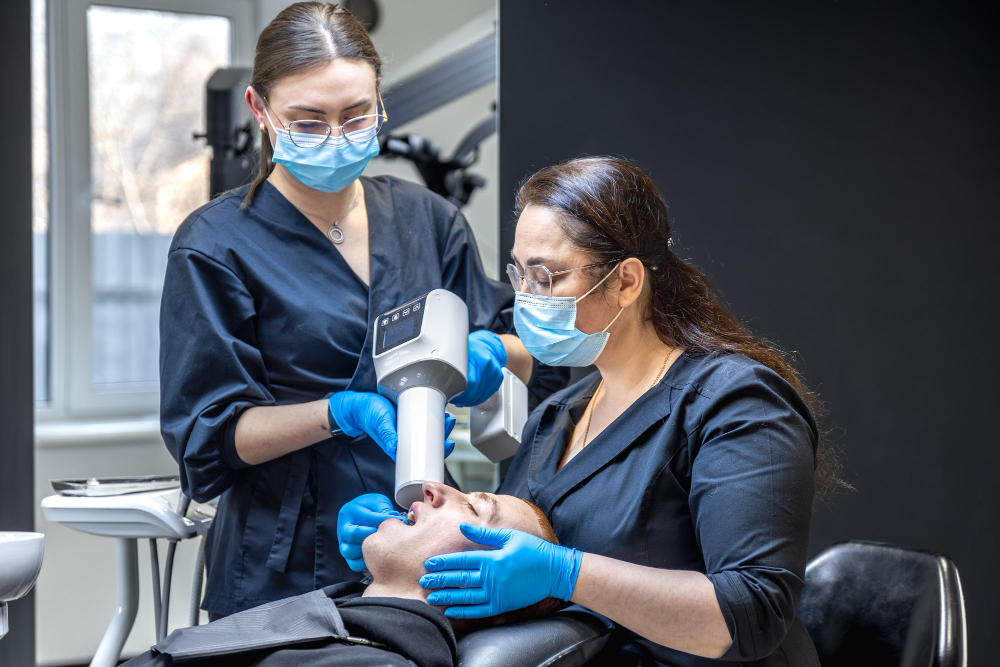
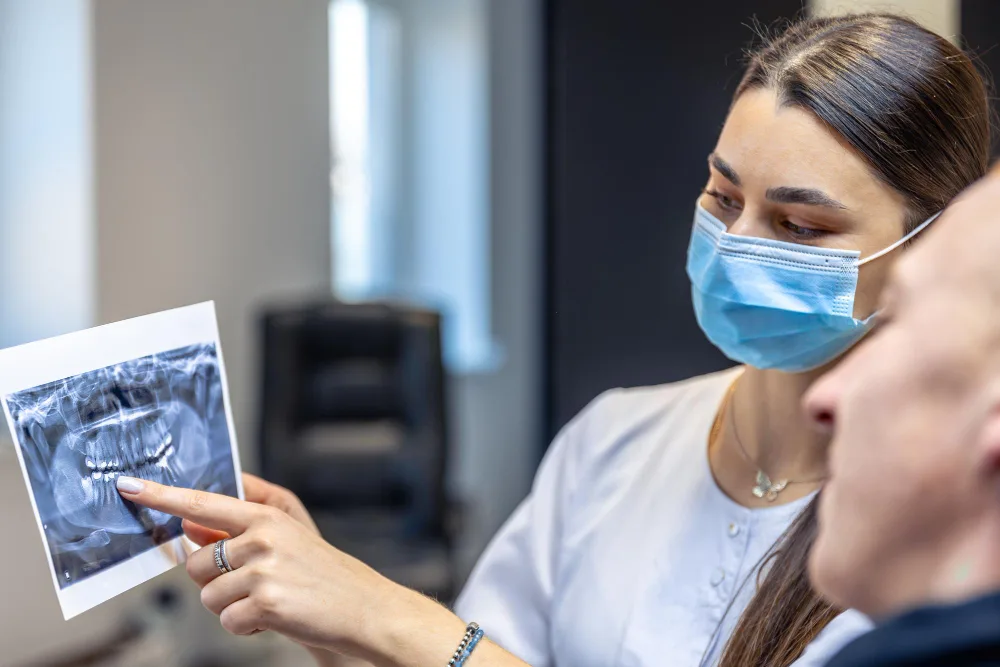
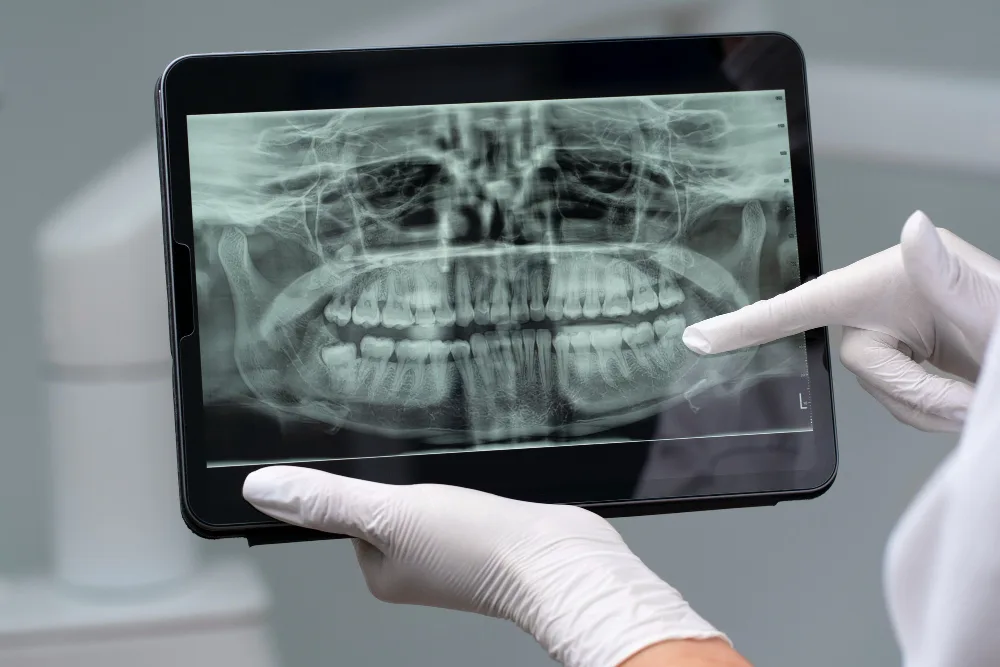
Visiting the dentist is no longer something people dread the way they used to. Thanks to rapid advancements in dental technology, today’s dental visits are more comfortable, efficient, and precise than ever before. From faster diagnoses to virtually painless procedures, modern tools and techniques are transforming how dental care is delivered—and experienced. In this article, we’ll explore how modern dental technology enhances your overall dental experience and why it matters for your oral health. The Evolution of Dental Care Dentistry has come a long way from traditional tools and methods that often caused discomfort and required multiple visits. Today, digital innovations, automation, and patient-centered technologies have revolutionized the field. Modern dental clinics now focus on: Early and accurate diagnosis Minimally invasive treatments Faster recovery times Enhanced patient comfort These improvements not only make dental visits more pleasant but also contribute to better long-term oral health outcomes. Accurate Diagnosis with Digital Imaging One of the biggest advancements in dentistry is the use of digital imaging technology. Traditional X-rays have been replaced or enhanced by high-resolution digital systems. Benefits of Digital Imaging: Instant results: Dentists can view images immediately on a screen Enhanced clarity: Higher resolution helps detect issues earlier Reduced radiation exposure: Safer compared to traditional X-rays Better patient understanding: Visual aids help explain conditions clearly Technologies like 3D imaging and intraoral cameras allow dentists to examine areas that were previously difficult to assess, leading to more precise diagnoses and treatment planning. Faster and More Comfortable Procedures Modern dental tools are designed with patient comfort in mind. Many procedures that once required multiple appointments can now be completed in a single visit. Key Innovations: Laser dentistry: Used for gum treatments, cavity removal, and whitening with minimal discomfort Electric handpieces: Quieter and smoother than traditional drills Digital impressions: Replace messy molds with quick, accurate scans These advancements reduce anxiety and make treatments quicker and less invasive. Pain Reduction and Anxiety Management Dental anxiety is a common concern, but modern technology is helping patients feel more relaxed and at ease. How Technology Helps: Advanced anesthesia techniques: More precise and effective pain control Laser treatments: Often eliminate the need for drills and sutures Noise reduction tools: Quieter equipment creates a calmer environment Comfort-focused equipment: Ergonomic chairs and gentle tools improve the overall experience Patients who once avoided dental visits are now more likely to seek care regularly thanks to these improvements. Improved Precision and Treatment Outcomes Modern dental technology allows for highly precise procedures, which leads to better results and fewer complications. Examples of Precision Tools: CAD/CAM systems: Create custom crowns, veneers, and restorations with exact measurements Digital treatment planning software: Ensures accurate alignment and placement Microscopic dentistry: Enables dentists to work with extreme precision This level of accuracy helps preserve more of your natural tooth structure and improves the longevity of treatments. Shorter Recovery Times Minimally invasive techniques mean less trauma to the surrounding tissues, which translates to quicker healing. Benefits Include: Reduced swelling and bleeding Less post-procedure discomfort Faster return to normal activities For patients with busy schedules, this is a major advantage, as it minimizes downtime after dental procedures. Enhanced Preventive Care Modern technology doesn’t just treat problems—it helps prevent them. Preventive Innovations: Digital monitoring tools: Track changes in oral health over time Early detection systems: Identify cavities and gum disease before they worsen AI-assisted diagnostics: Help spot patterns that may be missed manually By catching issues early, dentists can recommend less invasive treatments and help patients maintain healthier smiles. Better Communication and Patient Education Technology has also improved how dentists communicate with patients. Visual tools and digital records make it easier to understand your oral health. How It Helps: Dentists can show real-time images of your teeth and gums Treatment plans can be explained clearly using visuals Patients feel more informed and confident about their decisions When patients understand their condition and treatment options, they are more likely to follow through with care. Eco-Friendly and Efficient Practices Digital technology has also made dental practices more environmentally friendly. Sustainable Benefits: Reduced paper usage with digital records Less chemical waste from traditional X-ray processing Efficient workflows that reduce energy consumption This shift not only benefits the environment but also improves the efficiency of dental clinics. Personalized Dental Care Modern tools allow dentists to tailor treatments to each patient’s unique needs. Personalization Includes: Customized restorations and aligners Individualized treatment plans Better tracking of patient history and progress This ensures that every patient receives care that is specifically designed for their oral health goals. The Future of Dental Technology The future of dentistry looks even more promising, with innovations like: Artificial intelligence for diagnostics 3D printing for dental restorations Teledentistry for remote consultations These advancements will continue to make dental care more accessible, efficient, and patient-friendly. Experience Advanced Dental Care Today Modern dental technology has truly transformed the way patients experience dental care—making it faster, safer, and far more comfortable than ever before. Whether it’s a routine check-up or a complex procedure, today’s innovations ensure that you receive the highest standard of care with minimal stress. If you’re looking to experience the benefits of advanced dental technology firsthand, consider visiting Robertson Family Dentistry. Their team is committed to providing patient-focused care using modern techniques that prioritize comfort and precision. Don’t wait to improve your oral health—call now or book an appointment today to take the next step toward a healthier, brighter smile.

dental care for children
Robertson Family Dentistry

Dental Care Recommendations for Children: Establishing Healthy Habits Early

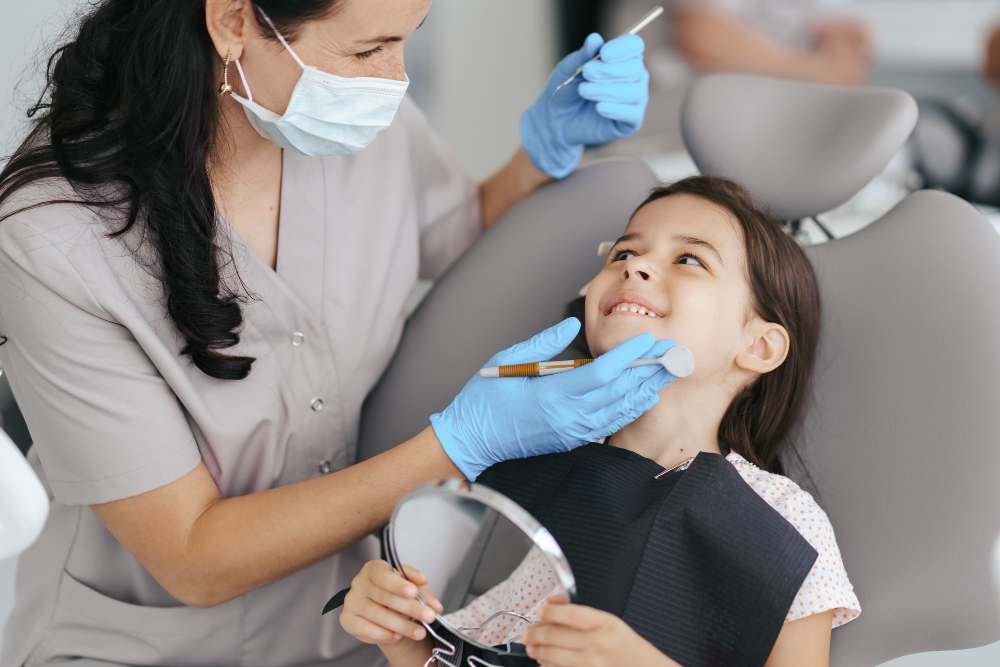
Healthy teeth are important for a child’s overall health, confidence, eating, and speech development. Establishing good oral hygiene habits early in life helps prevent cavities, gum disease, and other dental problems. With proper care, children can maintain healthy smiles that last a lifetime. Why Dental Cleaning Is Important for Children Regular dental cleaning helps prevent plaque buildup. Plaque is a sticky layer of bacteria that forms on teeth and can lead to cavities, gum disease, and tooth loss if not removed regularly. Good oral hygiene from an early age is the key to preventing these problems. According to the Canadian Dental Association, children should visit a dentist within six months of the first tooth appearing or by the age of one. Early dental visits help detect and prevent dental issues before they become serious. Dental Care Routine for Children Before Teeth Erupt Even before the first tooth appears, parents should clean the baby’s gums daily using a clean, soft, damp cloth. This helps remove bacteria and sugars from milk or food and keeps the mouth clean. Children Under 3 Years Once teeth appear, use a small, soft-bristled toothbrush twice a day. Use a smear (rice-sized amount) of fluoride toothpaste containing at least 1,000 ppm fluoride. Parents should brush their child’s teeth to ensure proper cleaning. Children Aged 3–6 Years Children should brush twice a day for at least two minutes using a pea-sized amount of fluoride toothpaste (1,000–1,500 ppm fluoride). Parents should supervise brushing and make sure children do not swallow toothpaste. Dentists may also recommend fluoride varnish to help prevent cavities. Children Above 6 Years Children over six years old should brush twice daily for two minutes using fluoride toothpaste containing 1,350–1,500 ppm fluoride. Even if children can brush on their own, parents should still monitor their brushing habits to ensure proper technique and consistency. Regular dental check-ups every six months are recommended for preventive care and maintaining good oral health. Fluoride treatments may be recommended by your dentist to strengthen tooth enamel and prevent decay. Healthy Diet for Healthy Teeth Diet plays a major role in dental health. Foods and drinks high in sugar can increase the risk of cavities. To prevent early childhood cavities: Do not let babies fall asleep with a bottle of milk or juice. Limit sugary snacks such as candy, cookies, and soft drinks. Encourage healthy foods such as fruits, vegetables, dairy products, and lean proteins. Foods rich in calcium and phosphorus help strengthen and protect tooth enamel. Building Lifelong Healthy Habits Maintaining good oral hygiene in children is not difficult when started early. Parents should lead by example and make brushing a daily family routine. Teaching children proper brushing, regular dental visits, and healthy eating habits will help them maintain strong and healthy teeth for life. If you are looking for a family dentist for your child’s dental care, Robertson Family Dentistry is here to help. Our team provides preventive dental care, fluoride treatments, and gentle dental care for children to help keep their smiles healthy and bright.

emergency dentist in ottawa
Robertson Family Dentistry

When to See an Emergency Dentist in Ottawa – Signs You Shouldn’t Ignore

Dental emergencies rarely happen at convenient times. A sudden toothache, broken tooth, swelling, or injury can quickly turn from uncomfortable to unbearable. The challenge many patients face is knowing whether the issue can wait for a regular appointment — or if it requires immediate emergency dental care. If you’re in Ottawa and experiencing unexpected dental pain or trauma, this guide will help you understand the warning signs you should never ignore, what qualifies as a true dental emergency, and how prompt treatment can prevent serious complications. At Robertson Family Dentistry, we provide compassionate and timely emergency dental care in Ottawa, helping patients get relief when they need it most. What Is a Dental Emergency? A dental emergency is any oral health issue that requires immediate attention to relieve severe pain, stop bleeding, prevent infection, or save a tooth. Some situations are clearly urgent, such as knocked-out teeth or facial swelling. Others may start mild but escalate quickly if ignored. Understanding the difference can help you act quickly — and protect your long-term oral health. 1. Severe or Persistent Tooth Pain Tooth pain is one of the most common reasons patients seek emergency dental care. You should see an emergency dentist if: Pain is intense or throbbing It lasts more than 1–2 days It wakes you up at night Pain radiates to the jaw, ear, or neck Severe tooth pain often indicates: An infected tooth (abscess) Deep decay Advanced gum disease Cracked or fractured tooth Ignoring pain can allow infection to spread, potentially leading to more serious health complications. 2. Swelling in the Face or Gums Facial swelling is never something to ignore. Swelling may signal: A dental abscess Bacterial infection Impacted tooth infection Advanced gum disease If swelling is accompanied by: Fever Difficulty swallowing Difficulty breathing Seek immediate emergency care, as this may indicate a spreading infection that requires urgent treatment. 3. Knocked-Out (Avulsed) Tooth A knocked-out tooth is a true dental emergency — and time is critical. If this happens: Pick up the tooth by the crown (not the root). Rinse gently with water (do not scrub). Try to place it back into the socket if possible. If not, store it in milk or saliva. See a dentist within 30–60 minutes. Quick action dramatically increases the chances of saving the tooth. 4. Cracked, Broken, or Chipped Tooth Not all chipped teeth are emergencies, but they can become one if: There is severe pain The crack exposes the inner tooth (dentin or pulp) There is bleeding Sharp edges are cutting your tongue or cheek Untreated cracks can worsen and lead to infection or tooth loss. 5. Uncontrolled Bleeding If you experience bleeding that: Does not stop after 10–15 minutes of pressure Follows trauma or injury Occurs after a dental procedure You should contact an emergency dentist immediately. Persistent bleeding can signal serious tissue damage. 6. Dental Abscess A dental abscess is a pocket of pus caused by infection. Signs include: Severe throbbing pain Swollen gums Bad taste in the mouth Fever Swollen lymph nodes Facial swelling An abscess is not something that resolves on its own. It requires professional treatment and possibly antibiotics to prevent spread. 7. Lost Filling or Crown While not always immediately dangerous, a lost restoration can expose sensitive tooth structure. Emergency care may be needed if: The area is painful The tooth is sharp or cracked There is significant sensitivity Temporary dental cement from a pharmacy can offer short-term protection until you see your dentist. 8. Jaw Injury or Trauma Accidents, sports injuries, or falls can cause: Jaw fractures Dislocated jaw Severe bruising Broken teeth If trauma affects your ability to open or close your mouth properly, seek urgent evaluation. When It Might Not Be an Emergency Some issues can typically wait for a regular appointment: Mild tooth sensitivity Small chips without pain Minor gum irritation Food stuck between teeth However, if symptoms worsen, don’t delay seeking care. Why You Shouldn’t Delay Emergency Dental Care Delaying treatment can lead to: Spread of infection Tooth loss Bone damage Increased treatment costs More complex procedures later Early intervention often means simpler, more affordable treatment and better outcomes. What to Expect During an Emergency Dental Visit At Robertson Family Dentistry, we focus on: Immediate Pain Relief: Your comfort is our first priority. Accurate Diagnosis: We use modern diagnostic tools, including digital imaging, to quickly identify the issue. Clear Treatment Plan: We explain your options and next steps in detail. Compassionate Care: Dental emergencies are stressful — we provide calm, supportive care throughout your visit. Preventing Dental Emergencies While not all emergencies can be avoided, you can reduce your risk by: Attending regular dental checkups Wearing a mouthguard during sports Avoiding chewing hard objects (ice, pens) Addressing minor dental issues early Maintaining excellent oral hygiene Preventive care significantly lowers your chances of urgent dental problems. Emergency Dentistry in Ottawa – We’re Here When You Need Us Dental emergencies can feel overwhelming — but you don’t have to handle them alone. At Robertson Family Dentistry, we provide responsive and reliable emergency dental care in Ottawa. Whether it’s sudden tooth pain, trauma, or infection, our team is prepared to help restore your comfort and protect your smile. If you’re unsure whether your situation qualifies as an emergency, it’s always better to call and ask. Early evaluation can make all the difference. Frequently Asked Questions (FAQs) 1. What qualifies as a dental emergency? Severe pain, swelling, bleeding, knocked-out teeth, abscesses, or trauma all qualify as emergencies. 2. How quickly should I see a dentist for severe tooth pain? Ideally, within 24 hours — sooner if swelling or fever is present. 3. Can a tooth infection go away on its own? No. An infection requires professional treatment and may worsen if left untreated. 4. Is a broken tooth always an emergency? Not always, but if it causes pain, bleeding, or exposes the inner tooth, you should seek immediate care. 5. What should I do if my child knocks out a tooth? If it’s

dental implants
Robertson Family Dentistry

Dental Implants in Ottawa: Procedure, Cost & Recovery Guide (2026)

Missing teeth can affect far more than your smile. They can impact your confidence, chewing ability, speech, and even your jawbone health. Fortunately, modern dentistry offers a long-lasting and natural-looking solution: dental implants. If you’re considering dental implants in Ottawa, this comprehensive 2026 guide will walk you through the procedure, costs, recovery process, benefits, and frequently asked questions — so you can make an informed decision about your oral health. At Robertson Family Dentistry, we provide advanced dental implant solutions using modern imaging and precision planning to ensure safe, predictable results. What Are Dental Implants? Dental implants are permanent tooth replacement solutions designed to mimic natural teeth. They consist of three main parts: Titanium implant post – Surgically placed into the jawbone to act as an artificial tooth root.  Abutment – Connects the implant post to the crown.  Dental crown – The visible portion that looks and functions like a natural tooth.  Unlike dentures or bridges, implants integrate with your jawbone through a process called osseointegration, creating a stable and durable foundation. Why Choose Dental Implants? Dental implants are widely considered the gold standard for tooth replacement because they: Look and feel like natural teeth  Prevent bone loss in the jaw  Do not rely on adjacent teeth for support  Improve chewing and speech  Offer long-term durability (often 20+ years with proper care)  They are suitable for replacing: A single missing tooth Multiple missing teeth Full-arch tooth loss The Dental Implant Procedure: Step-by-Step Understanding the process can help ease concerns and prepare you for treatment. 1. Initial Consultation & 3D Imaging The first step is a comprehensive examination. At Robertson Family Dentistry, we use advanced diagnostics such as CBCT (3D imaging) to evaluate: Bone density and volume  Nerve positioning  Sinus anatomy  Overall oral health  This ensures precise implant placement and reduces surgical risks. 2. Treatment Planning Your personalized treatment plan is created based on: Number of implants required  Bone grafting needs (if necessary)  Health history  Cosmetic goals  Some patients may require a bone graft if the jawbone is not thick or strong enough to support an implant. 3. Implant Placement Surgery The titanium implant is surgically placed into the jawbone under local anesthesia. The procedure typically takes 1–2 hours per implant. Most patients describe the experience as more comfortable than expected, similar to a tooth extraction. 4. Healing & Osseointegration Over the next 3–6 months, the implant fuses with the bone in a natural process called osseointegration. During this period: Temporary restorations may be provided.  Mild swelling or discomfort may occur for a few days after surgery.  Patients can typically return to normal activities within 24–48 hours.  5. Crown Placement Once healing is complete, the abutment and custom dental crown are attached. The final result looks natural and functions just like your real tooth. Are Dental Implants Covered by Insurance? Insurance coverage varies widely: Some plans cover portions of the crown.  Surgical placement may be partially covered.  Many extended health plans offer limited reimbursement.  Our team can help review your insurance benefits and provide transparent cost estimates before treatment begins. Recovery After Dental Implants Recovery is generally straightforward when post-operative instructions are followed. Immediately After Surgery: Mild swelling and tenderness are common.  Cold compresses help reduce inflammation.  Soft foods are recommended for a few days.  First Week: Avoid hard or crunchy foods.  Maintain excellent oral hygiene.  Take prescribed medications as directed.  Long-Term Care: Brush and floss daily.  Schedule regular dental checkups.  Avoid smoking, as it can hinder healing.  Most patients return to normal routines within 1–2 days after implant placement. Are You a Good Candidate for Dental Implants? Ideal candidates typically: Have good overall health  Possess adequate jawbone density  Maintain good oral hygiene  Do not have uncontrolled diabetes or heavy smoking habits  Even if you’ve been told you’re not a candidate before, advances in bone grafting and implant technology may make treatment possible. Benefits of Choosing Robertson Family Dentistry for Dental Implants in Ottawa At Robertson Family Dentistry, we prioritize precision, comfort, and long-term success. Advanced 3D Imaging & Digital Planning: Our CBCT technology ensures accurate placement and safer procedures. Patient-Focused Care: We take time to explain every step and answer your questions thoroughly. Comprehensive Treatment Under One Roof: From imaging to placement and restoration, your care is streamlined. Experienced Clinical Team: Our team follows the latest implant protocols for predictable outcomes. Frequently Asked Questions (FAQs) 1. How long do dental implants last? With proper care, dental implants can last 20 years or more — often a lifetime. 2. Are dental implants painful? The procedure is performed under local anesthesia. Most patients report mild discomfort afterward, which is manageable with medication. 3. How long does the entire implant process take? Typically, 3–6 months from placement to final crown, depending on healing and whether bone grafting is required. 4. What happens if I don’t replace a missing tooth? Bone loss can occur over time, neighboring teeth may shift, and bite alignment can change — potentially leading to further dental issues. 5. Can older adults get dental implants? Yes. Age is not a limiting factor. Overall health and bone condition are more important considerations. 6. How do I care for dental implants? Brush twice daily, floss regularly, and visit your dentist for routine cleanings and exams. 7. Are implants better than dentures? Implants provide greater stability, comfort, and bone preservation compared to traditional removable dentures. Final Thoughts Dental implants are one of the most reliable and life-changing treatments in modern dentistry. They restore not just your smile, but your confidence and quality of life. If you’re considering dental implants in Ottawa, our team at Robertson Family Dentistry is here to guide you every step of the way — from consultation and imaging to placement and long-term care. Book your consultation today and take the first step toward a healthier, stronger smile.

CBCT Scan Cost
Robertson Family Dentistry

CBCT Scan Cost in Ottawa – What You Should Know (2026 Guide)

In the evolving world of dental care, modern imaging technology plays a pivotal role in diagnosis and treatment planning. Among the most transformative advances is the Cone Beam Computed Tomography (CBCT) scan—a 3D imaging solution that provides unparalleled views of oral and maxillofacial anatomy. Whether you’re a patient preparing for implant surgery or a dental clinic seeking reliable imaging services for your cases, understanding the cost and value of CBCT scans in Ottawa is essential. At Robertson Family Dentistry, we are proud to offer state-of-the-art CBCT scanning services for both patients and referring dental professionals. This guide will walk you through everything you should know about CBCT scan costs and considerations in Ottawa (2026), helping you make informed decisions and to get the most from your dental care. What Is a CBCT Scan and Why Is It Important? A CBCT scan is an advanced 3D imaging technology that captures detailed, three-dimensional views of your jaw, teeth, nerve pathways, and bone structure. It stands above traditional dental X-rays because it provides volumetric data, enabling clinicians to visualize structures from multiple angles. This 3D imaging is invaluable in several clinical scenarios: Dental Implant Planning: Determine bone volume, identify ideal implant placement, avoid nerves, and assess sinus anatomy. Root Canal Assessment: Evaluate complex root anatomy and failed endodontic treatments. Wisdom Teeth Evaluation: Understand depth, orientation, and relation to nerves. Orthodontic Planning: Analyze the spatial position of teeth and jaw alignment. Pathology Detection: Identify cysts, tumors, or bone abnormalities. The level of detail obtained through CBCT scans can significantly improve diagnostic accuracy and treatment success. Factors That Influence CBCT Scan Pricing Understanding why CBCT scan prices vary can help you plan ahead and avoid unexpected costs. Here are the key factors that impact pricing in Ottawa and surrounding areas: 1. Field of View (FOV) CBCT machines can capture small, medium, or large volumes depending on clinical needs. Larger volumes include more anatomy, increasing scan time and processing requirements. 2. Expertise and Reporting While some clinics provide the raw 3D images, others include a professional interpretation by an oral & maxillofacial radiologist—a service that can elevate diagnostic confidence. Interpretative reports may incur additional fees. 3. Technology and Hardware Quality Newer generation CBCT machines produce images with higher resolution and lower radiation exposure. Clinics that invest in premium technology might reflect this in their pricing. 4. Location and Clinic Overhead Urban centers like Ottawa often have slightly higher operational costs. However, many clinics strive to keep imaging affordable while offering excellent support and accessibility. Insurance Coverage and CBCT Scans CBCT scans are often categorized as supplementary imaging services by many dental insurance plans. Coverage can vary significantly based on your insurer and specific plan: Some extended dental benefits include partial reimbursement for 3D imaging. Others classify CBCT scans as elective or additional diagnostics, leading to limited or no coverage. Before scheduling your scan, be sure to consult with your insurance provider about your plan’s coverage for CBCT scans and any required pre-authorization. Why Choose Robertson Family Dentistry for CBCT Scans in Ottawa At Robertson Family Dentistry, we provide CBCT imaging that’s accurate, patient-focused, and designed for clinical excellence. Here’s why dental professionals and patients trust us: ✔ High-Resolution 3D Imaging We use advanced CBCT equipment to deliver crisp, detailed imaging that supports diagnosis and treatment planning. ✔ Support for Referring Doctors and Clinics If you are a dentist in Ottawa without CBCT equipment, we make it easy to refer patients for imaging and receive the scans in DICOM or printable formats. ✔ Quick Turnaround & Flexible Scheduling We understand clinical workflow needs. Appointments are efficient, and imaging results are delivered promptly so treatment planning stays on track. ✔ Experienced Professionals Our team is experienced in handling a variety of dental imaging requests, from implant planning to complex surgical cases. Patient Experience: What to Expect During a CBCT Scan Undergoing a CBCT scan is quick, comfortable, and non-invasive: Preparation: You’ll be positioned in the CBCT unit and asked to remain still. Scanning: The machine rotates around your head, capturing detailed 3D data in under a minute. Image Review: The images are processed and made available for your dentist’s evaluation, often within the same day. Radiation exposure from CBCT scans is significantly lower than conventional medical CT scans, enhancing safety while delivering high diagnostic value. Frequently Asked Questions (FAQs) Q1. Is a referral needed for a CBCT scan at Robertson Family Dentistry? No referral is needed. Patients can schedule directly if they have an order from their dentist, and we also accept referrals from dental professionals. Q2. How long does a CBCT scan take? Typically, the scan itself takes less than a minute. Including prep time, the total appointment is usually under 15 minutes. Q3. Does dental insurance cover CBCT scans? Coverage depends on your specific plan. Many plans cover 3D imaging partially but may require pre-authorization or fall into supplementary service categories. Q4. Can CBCT scans help with dental implants? Yes. CBCT imaging provides a 3D view of jawbone anatomy, helping clinicians plan implant positioning and avoid critical structures. Q5. What is the difference between CBCT and traditional dental X-rays? Traditional X-rays are 2D and limited in scope. CBCT offers 3D visualization, allowing for in-depth analysis of bone, nerves, and spatial relationships. Q6. How often should CBCT scans be repeated? Only when clinically necessary. Unlike routine X-rays, CBCT scans are used for specific diagnostic or treatment planning needs rather than routine monitoring. Conclusion CBCT scans are a cornerstone of modern dental diagnostics and offer a level of detail that simply can’t be matched by conventional imaging. As Ottawa’s trusted provider of advanced dental imaging, Robertson Family Dentistry delivers accurate, efficient, and patient-centered CBCT scans for a wide range of clinical needs. Whether you’re a patient seeking advanced diagnostics or a dental professional looking for reliable imaging support, our team is here to help. Contact us today to learn more about our CBCT services or to schedule an appointment!  

CBCT Scan in Dentistry
Robertson Family Dentistry

CBCT Scan in Dentistry: Advanced 3D Dental Imaging in Ottawa

Modern dentistry has evolved far beyond traditional X-rays. Today, accurate diagnosis and precise treatment planning depend on advanced imaging technologies that give dentists a complete, three-dimensional view of oral structures. One of the most important advancements in this area is the CBCT scan (Cone Beam Computed Tomography). At Robertson Family Dentistry, we are proud to offer CBCT scans in Ottawa, not only for our own patients but also as a dedicated CBCT imaging service for other dental clinics. Many practices across Ottawa rely on our clinic for high-quality CBCT scans to support implant planning, oral surgery, orthodontics, and complex diagnostic cases. This guide explains what a CBCT scan is, how it works, why it is essential in modern dentistry, and why dentists and patients across Ottawa trust Robertson Family Dentistry for CBCT imaging. What Is a CBCT Scan in Dentistry? A CBCT scan is a specialised type of 3D dental imaging that captures highly detailed images of the teeth, jawbone, nerves, sinuses, and surrounding facial structures. Unlike traditional 2D dental X-rays, a CBCT scan produces a three-dimensional view, allowing dentists to see depth, bone density, and anatomical relationships with exceptional clarity. CBCT technology uses a cone-shaped X-ray beam that rotates around the patient’s head, capturing hundreds of images in seconds. These images are then reconstructed into a detailed 3D model that dentists can analyse from multiple angles. BCT vs Traditional Dental X-Rays Feature Traditional X-Rays CBCT Scan Image Type 2D 3D Bone & Nerve Visibility Limited Highly detailed Implant Planning Approximate Highly precise Surgical Risk Assessment Limited Advanced Diagnostic Accuracy Basic Comprehensive Why CBCT Scans Are Essential in Modern Dentistry CBCT scans are not used for every dental visit, but they are critical when accuracy and safety matter most. Dentists rely on CBCT imaging to: Visualise bone quality and density Identify nerve pathways Assess sinus anatomy Detect hidden infections or pathology Plan surgical and implant procedures precisely Improved Accuracy & Patient Safety By providing a full 3D view, CBCT scans significantly reduce guesswork. This helps dentists avoid vital structures such as nerves and sinuses, leading to safer treatments and better outcomes. Dental Treatments That Commonly Require a CBCT Scan At Robertson Family Dentistry, CBCT scans are used to support a wide range of dental procedures for both in-house patients and referrals from other clinics. Dental Implant Planning CBCT scans are essential for implant placement. They allow dentists to: Measure bone height and width  Identify nerve locations  Choose the ideal implant size and angle  Reduce surgical risks  Oral Surgery & Extractions For impacted teeth, wisdom teeth, or complex extractions, CBCT scans reveal: Tooth position beneath the gum  Root anatomy  Proximity to nerves and sinuses  Endodontics (Root Canal Treatment) CBCT imaging helps detect: Hidden canals  Root fractures  Persistent infections not visible on 2D X-rays  Orthodontics Orthodontists use CBCT scans to: Evaluate jaw growth and alignment  Assess impacted teeth  Plan comprehensive orthodontic treatments  TMJ & Jaw Joint Evaluation CBCT scans provide detailed views of the temporomandibular joint, helping diagnose: Jaw pain  Joint degeneration  Structural abnormalities CBCT Scan Services in Ottawa at Robertson Family Dentistry Robertson Family Dentistry is one of the trusted clinics in Ottawa providing CBCT scan services, not just for patients but also for other dental practices. CBCT Scans for Patients If your treatment requires advanced imaging, our clinic offers: Comfortable and quick CBCT scanning  High-resolution 3D images  Minimal radiation exposure  Clear communication and guidance  CBCT Scan Referrals for Other Dental Clinics Many dental clinics across Ottawa contact us specifically for CBCT imaging services. We support referring dentists by providing: Accurate, high-quality CBCT scans  Timely image delivery  Professional collaboration  Reliable imaging for treatment planning  This makes Robertson Family Dentistry a central CBCT imaging provider in Ottawa for both general and specialist dental practices. Is a CBCT Scan Safe? Yes. CBCT scans are considered safe and effective when used appropriately. Radiation Exposure CBCT scans use significantly less radiation than a medical CT scan. The dose is carefully controlled and justified based on clinical need. Dentists follow the ALARA principle (As Low As Reasonably Achievable), ensuring patient safety while obtaining essential diagnostic information. Who Should Avoid CBCT Scans? CBCT scans may be postponed or avoided in: Pregnant patients (unless absolutely necessary)  Cases where 2D imaging is sufficient  Your dentist will always evaluate whether a CBCT scan is necessary for your specific situation. What to Expect During a CBCT Scan Appointment A CBCT scan is quick, painless, and straightforward. You will stand or sit comfortably in the CBCT machine  The scanner rotates around your head for 10–30 seconds  You remain still while images are captured  The scan is completed in minutes  There is no discomfort, no recovery time, and you can resume normal activities immediately. Why Dentists Choose Robertson Family Dentistry for CBCT Scans in Ottawa Dental clinics across Ottawa trust Robertson Family Dentistry for CBCT imaging because of our: Advanced CBCT technology  Accurate and consistent imaging quality  Professional collaboration with referring clinics  Convenient appointment scheduling  Patient-focused and clinic-friendly process  Whether you are a patient needing advanced imaging or a dental clinic looking for a reliable CBCT scan provider in Ottawa, our clinic is equipped to support your needs. Benefits of CBCT Scans for Patients For patients, CBCT imaging offers several advantages: More accurate diagnosis  Better treatment outcomes  Reduced surgical risks  Fewer complications  Greater confidence in treatment plans  Seeing a 3D image also helps patients better understand their dental condition and proposed treatment. CBCT Scans for Dental Referrals in Ottawa We regularly work with: General dentists  Oral surgeons  Orthodontists  Endodontists  Prosthodontists  If your clinic requires CBCT imaging without investing in in-house equipment, Robertson Family Dentistry provides a dependable referral solution in Ottawa. Frequently Asked Questions (FAQs) What is a CBCT scan in dentistry? A CBCT scan is a 3D dental imaging technology that captures detailed images of teeth, jawbone, nerves, and surrounding structures to support accurate diagnosis and treatment planning. Is CBCT scanning available in Ottawa? Yes. Robertson Family Dentistry provides CBCT scan services in Ottawa for both patients and referring dental clinics.

Questions to Ask Your Dentist
Communication

Questions to Ask Your Dentist: A Complete Guide for Your Next Appointment

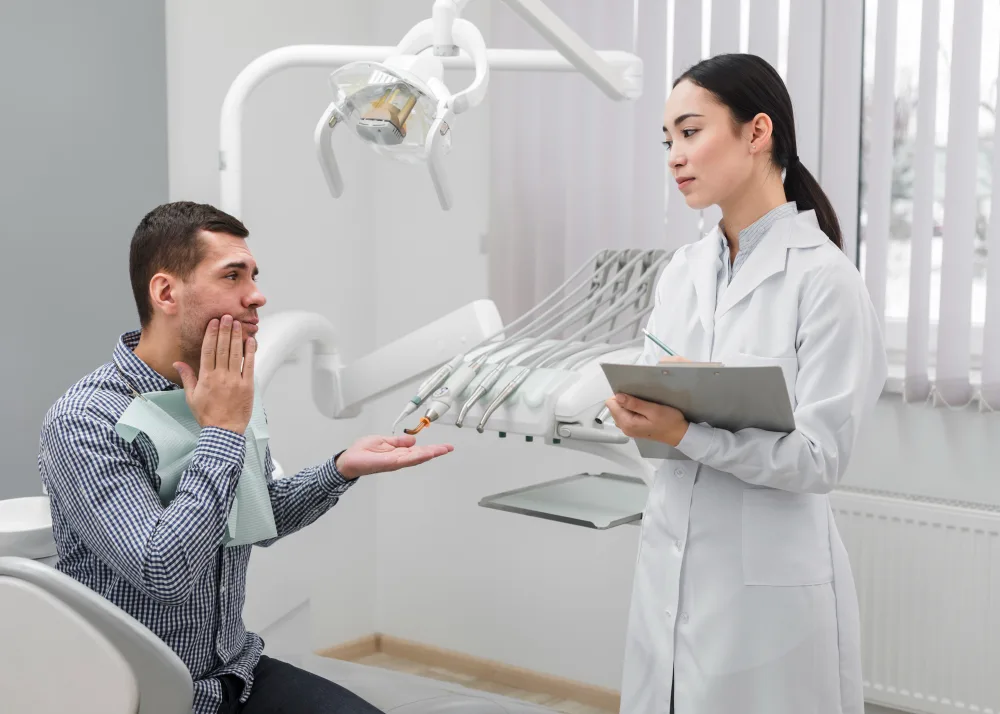
[fusion_builder_container type=”flex” hundred_percent=”no” hundred_percent_height=”no” hundred_percent_height_scroll=”no” align_content=”stretch” flex_align_items=”flex-start” flex_justify_content=”flex-start” flex_wrap=”wrap” hundred_percent_height_center_content=”yes” equal_height_columns=”no” container_tag=”div” hide_on_mobile=”small-visibility,medium-visibility,large-visibility” status=”published” border_style=”solid” box_shadow=”no” box_shadow_blur=”0″ box_shadow_spread=”0″ gradient_start_position=”0″ gradient_end_position=”100″ gradient_type=”linear” radial_direction=”center center” linear_angle=”180″ background_position=”center center” background_repeat=”no-repeat” fade=”no” background_parallax=”none” enable_mobile=”no” parallax_speed=”0.3″ background_blend_mode=”none” background_slider_skip_lazy_loading=”no” background_slider_loop=”yes” background_slider_pause_on_hover=”no” background_slider_slideshow_speed=”5000″ background_slider_animation=”fade” background_slider_direction=”up” background_slider_animation_speed=”800″ video_aspect_ratio=”16:9″ video_loop=”yes” video_mute=”yes” pattern_bg=”none” pattern_bg_style=”default” pattern_bg_opacity=”100″ pattern_bg_blend_mode=”normal” mask_bg=”none” mask_bg_style=”default” mask_bg_opacity=”100″ mask_bg_transform=”left” mask_bg_blend_mode=”normal” absolute=”off” absolute_devices=”small,medium,large” sticky=”off” sticky_devices=”small-visibility,medium-visibility,large-visibility” sticky_transition_offset=”0″ scroll_offset=”0″ animation_direction=”left” animation_speed=”0.3″ animation_delay=”0″ filter_hue=”0″ filter_saturation=”100″ filter_brightness=”100″ filter_contrast=”100″ filter_invert=”0″ filter_sepia=”0″ filter_opacity=”100″ filter_blur=”0″ filter_hue_hover=”0″ filter_saturation_hover=”100″ filter_brightness_hover=”100″ filter_contrast_hover=”100″ filter_invert_hover=”0″ filter_sepia_hover=”0″ filter_opacity_hover=”100″ filter_blur_hover=”0″][fusion_builder_row][fusion_builder_column type=”1_1″ type=”1_1″ layout=”1_1″ align_self=”auto” content_layout=”column” align_content=”flex-start” valign_content=”flex-start” content_wrap=”wrap” center_content=”no” column_tag=”div” target=”_self” hide_on_mobile=”small-visibility,medium-visibility,large-visibility” sticky_display=”normal,sticky” order_medium=”0″ order_small=”0″ hover_type=”none” border_style=”solid” box_shadow=”no” box_shadow_blur=”0″ box_shadow_spread=”0″ background_type=”single” gradient_start_position=”0″ gradient_end_position=”100″ gradient_type=”linear” radial_direction=”center center” linear_angle=”180″ lazy_load=”avada” background_position=”left top” background_repeat=”no-repeat” background_blend_mode=”none” background_slider_skip_lazy_loading=”no” background_slider_loop=”yes” background_slider_pause_on_hover=”no” background_slider_slideshow_speed=”5000″ background_slider_animation=”fade” background_slider_direction=”up” background_slider_animation_speed=”800″ sticky=”off” sticky_devices=”small-visibility,medium-visibility,large-visibility” absolute=”off” filter_type=”regular” filter_hover_element=”self” filter_hue=”0″ filter_saturation=”100″ filter_brightness=”100″ filter_contrast=”100″ filter_invert=”0″ filter_sepia=”0″ filter_opacity=”100″ filter_blur=”0″ filter_hue_hover=”0″ filter_saturation_hover=”100″ filter_brightness_hover=”100″ filter_contrast_hover=”100″ filter_invert_hover=”0″ filter_sepia_hover=”0″ filter_opacity_hover=”100″ filter_blur_hover=”0″ transform_type=”regular” transform_hover_element=”self” transform_scale_x=”1″ transform_scale_y=”1″ transform_translate_x=”0″ transform_translate_y=”0″ transform_rotate=”0″ transform_skew_x=”0″ transform_skew_y=”0″ transform_scale_x_hover=”1″ transform_scale_y_hover=”1″ transform_translate_x_hover=”0″ transform_translate_y_hover=”0″ transform_rotate_hover=”0″ transform_skew_x_hover=”0″ transform_skew_y_hover=”0″ transition_duration=”300″ transition_easing=”ease” scroll_motion_devices=”small-visibility,medium-visibility,large-visibility” animation_direction=”left” animation_speed=”0.3″ animation_delay=”0″ last=”true” border_position=”all” first=”true” min_height=”” link=””][fusion_text animation_direction=”left” animation_speed=”0.3″ animation_delay=”0″ hide_on_mobile=”small-visibility,medium-visibility,large-visibility” sticky_display=”normal,sticky”] Many people visit the dentist without knowing what to ask, which means they often leave with unanswered doubts or a limited understanding of their oral health. Asking the right questions during your dental appointment can help you understand your treatment needs, improve daily habits, and feel more confident about the condition of your teeth and gums. At Robertson Family Dentistry, we believe informed patients make better decisions, which is why this guide covers the most important questions to ask your dentist and why each one matters. Why Asking Questions at the Dentist Matters Your dental health affects more than just your smile—it impacts your confidence, overall wellness, and even your daily comfort. When you ask questions, you gain a clear understanding of what’s happening in your mouth, why certain treatments are needed, and how to prevent future issues. Most oral health problems, like cavities or gum disease, don’t show noticeable symptoms until they become more serious. Speaking openly with your dentist helps catch these problems early, reduces long-term costs, and ensures you follow the best routine for your individual needs. It also builds trust and helps create a comfortable environment, especially if you experience dental anxiety. 1. How Is My Overall Oral Health Right Now? This is one of the most important questions to ask because it gives you a complete picture of your dental condition. Your dentist can detect early signs of tooth decay, gum inflammation, enamel erosion, or bite misalignment that may not be visible to you. Understanding your overall oral health helps you know whether you’re brushing effectively, if you need to make lifestyle changes, or if there are hidden issues developing beneath the surface. When your dentist explains the current state of your teeth and gums, you’re able to take proactive steps to avoid problems instead of reacting to them later when treatment becomes more complex or costly. 2. How Often Should I Schedule Dental Checkups? While many people follow the general rule of visiting the dentist every six months, this timeline can differ based on your individual oral health. Your dentist may suggest more frequent visits if you have ongoing issues like gum disease, build-up of plaque, or a history of recurring cavities. Lifestyle factors such as smoking, stress, diet, or certain medical conditions can also influence how often you should come in. Asking this question ensures that you follow a schedule tailored to your needs rather than relying on a standard routine. The goal is always to catch problems early and maintain steady progress toward healthier teeth and gums. 3. Am I Brushing and Flossing Correctly? Many people assume they brush well, but improper technique can leave behind plaque and food particles. Asking your dentist to review your brushing and flossing habits helps you understand whether you’re applying the right amount of pressure, brushing long enough, or reaching all the important areas of your mouth. Your dentist may recommend switching to an electric brush, using a specific toothpaste, or adopting a flossing method that reduces gum irritation. A quick demonstration can make a big difference, helping you prevent tooth decay, reduce gum bleeding, and maintain fresher breath. Improving your technique ensures that your home oral care routine is just as effective as your professional cleanings. 4. Are There Signs of Gum Disease? Gum disease often develops quietly and painlessly, which makes early detection extremely important. Asking your dentist about the condition of your gums helps you understand whether there are signs of swelling, redness, recession, or bleeding that you may have overlooked. Your dentist can explain whether you’re at risk of developing gingivitis or early-stage periodontitis and recommend steps like deep cleaning, better home care, or lifestyle adjustments. Addressing gum issues early protects your gums, helps maintain fresh breath, and prevents tooth mobility. Since gum health is closely linked to heart and overall health, this is a crucial conversation to have during every appointment. 5. Do I Need Any Dental X-Rays? Dental X-rays give your dentist a deeper look at your oral health by revealing issues that aren’t visible during a regular exam. Asking whether you need X-rays helps you understand your risk for hidden decay, bone loss, impacted teeth, or infections that may be developing beneath your gums. Your dentist will recommend X-rays only when necessary and explain how often they’re needed based on your age, oral hygiene habits, and overall dental history. Knowing the purpose of X-rays and how they support your long-term care can give you peace of mind and help you feel confident that every step taken is for your benefit. 6. What Treatment Options Do I Have? Whenever your dentist recommends a treatment, it’s important to understand why it’s needed and what choices you have. Asking about your options allows your dentist to explain the differences between procedures, the expected results, recovery times, and long-term benefits. You can also learn whether a treatment is urgent or something that can wait, depending on your situation. This conversation helps you feel more