
Do You Need a Dental Night Guard? How to Know Which Is Better
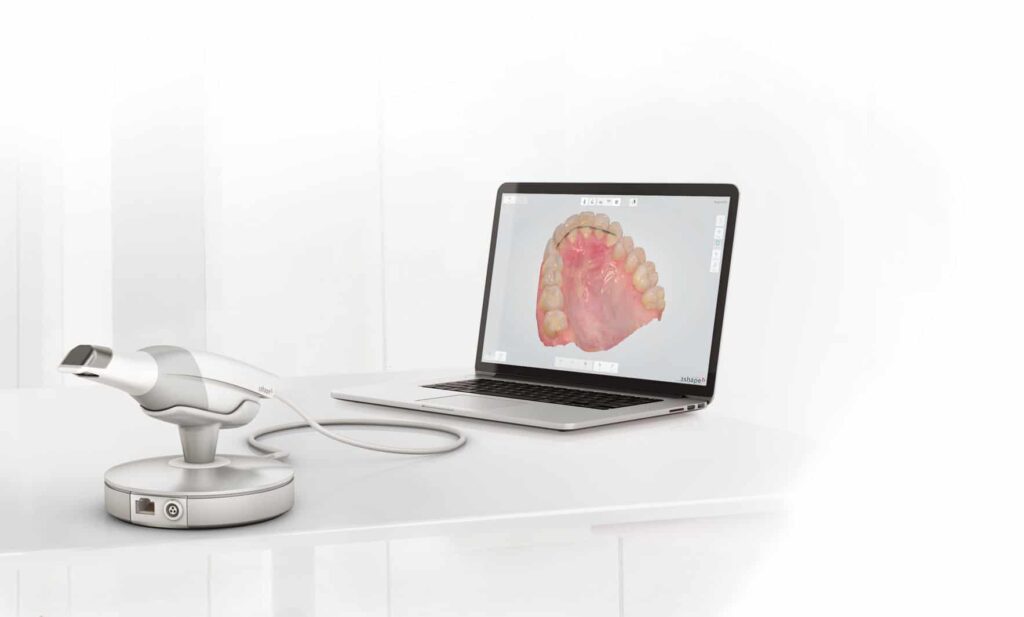
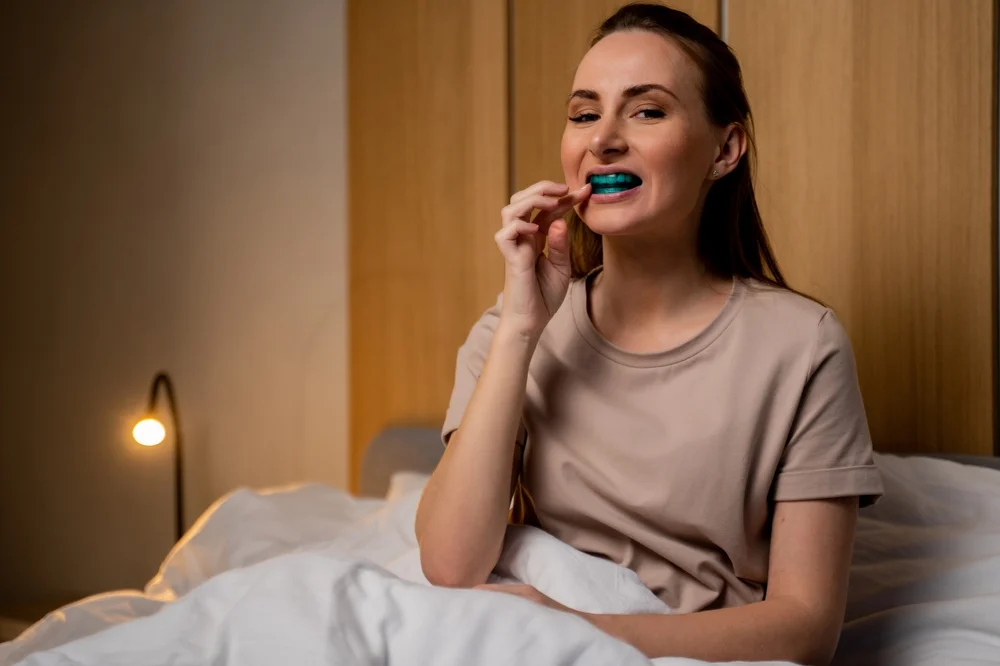
Do you wake up with a sore jaw, headaches, or sensitive teeth? Do you notice that your teeth feel uncomfortable in the morning, even when you brush and floss regularly? These symptoms may be signs that you grind or clench your teeth while sleeping. Teeth grinding, also known as bruxism, can place repeated pressure on your teeth, jaw muscles, and temporomandibular joints (TMJs). Over time, it may contribute to tooth wear, cracks, jaw discomfort, and other oral health problems. A dental night guard can help protect your teeth from the effects of grinding and clenching. However, not all night guards are the same. The right option depends on your symptoms, bite, dental health, and the severity of your grinding. At Robertson Family Dentistry in Bells Corners, Ottawa, patients can discuss concerns about teeth grinding, jaw discomfort, and protective dental appliances with their dental care team. In this guide, you will learn how to recognize the signs that you may need a night guard, compare different types, and understand which option may be better for your needs. What Is a Dental Night Guard? A dental night guard is a protective appliance worn over the upper or lower teeth, usually while sleeping. It creates a barrier between the teeth to help reduce damage caused by clenching or grinding. Night guards are commonly recommended for people who experience sleep-related bruxism. Depending on the appliance and the individual’s needs, a dentist may also recommend one to help manage certain types of tooth wear or jaw muscle discomfort. A night guard may help: Important: A night guard does not necessarily stop the habit of grinding. Instead, its main purpose is to protect the teeth and help manage the effects of clenching or grinding. It is also not a guaranteed treatment for jaw pain or temporomandibular disorders. How Do You Know If You Need a Dental Night Guard? Many people grind their teeth without realizing it because sleep-related grinding happens unconsciously. Often, a dentist identifies signs of bruxism during a dental examination. Here are some common signs to watch for. 1. You Wake Up With Jaw Pain or Tightness If your jaw feels tired, stiff, or sore when you wake up, you may be clenching your teeth during sleep. The jaw muscles can become overworked from repeated contractions throughout the night. Persistent jaw discomfort should be assessed by a dentist, especially if it affects eating, speaking, or opening your mouth. 2. You Experience Morning Headaches Some people who grind their teeth experience headaches around the temples or forehead after waking up. These headaches may be related to muscle tension, although many other conditions can cause similar symptoms. If you regularly wake up with headaches, consider discussing the pattern with your dentist or healthcare provider rather than assuming grinding is the only cause. 3. Your Teeth Look Worn or Feel Sensitive Repeated grinding can gradually wear down the enamel, the protective outer layer of your teeth. As enamel wears, teeth may become more sensitive to hot, cold, or sweet foods and drinks. A dentist can examine your teeth for signs of wear, cracks, or other causes of sensitivity. Learn more about tooth sensitivity and its common causes. 4. Someone Hears You Grinding Your Teeth at Night A partner or family member may hear a grinding or scraping sound while you sleep. Although not everyone with bruxism makes noticeable sounds, this can be an important clue. If someone has noticed repeated grinding, mention it at your next dental appointment. 5. You Have Chipped, Cracked, or Damaged Teeth Grinding places repeated force on the teeth. Over time, this may contribute to chips, cracks, worn edges, or damage to existing restorations. A night guard may help reduce further grinding-related damage, but a dentist should first assess any damaged teeth. 6. Your Jaw Clicks or Feels Uncomfortable Jaw clicking, muscle tenderness, or discomfort near the ears can have several causes, including temporomandibular joint disorders. These symptoms do not automatically mean you need a night guard. A dental assessment can help determine whether grinding may be contributing to your symptoms and whether another treatment approach is needed. What Are the Different Types of Dental Night Guards? Night guards vary in material, thickness, fit, and intended use. The best choice depends on your dental condition and the reason you need the appliance. 1. Custom-Made Dental Night Guard A custom night guard is made specifically for your teeth using dental impressions or a digital scan, depending on the dental practice’s process. Because it is designed for your mouth, a custom appliance can offer a more precise fit than many generic alternatives. Potential benefits include: Possible considerations: A custom night guard may be a suitable option for people with frequent grinding, significant tooth wear, existing dental restorations, or difficulty tolerating over-the-counter appliances. Your dentist can help determine whether it is appropriate. 2. Boil-and-Bite Night Guard Boil-and-bite night guards are available at many pharmacies and retail stores. The material is softened in hot water and moulded around the teeth according to the product instructions. Potential benefits include: Possible limitations include: If you try a boil-and-bite guard and it causes pain, feels unstable, changes your bite, or makes symptoms worse, stop using it and seek dental advice. 3. Stock or Ready-Made Night Guard Stock night guards are pre-formed appliances that are not individually moulded to your teeth. They are often easy to find and may have a relatively low purchase price. However, because they come in predetermined shapes and sizes, they may not fit every mouth securely. A poor fit can make an appliance uncomfortable and difficult to keep in place during sleep. For this reason, a generic stock guard may not be the best long-term choice for someone with persistent or significant grinding. 4. Hard, Soft, or Dual-Laminate Night Guards Night guards can also differ in material. There is no single material that is best for everyone. A dentist should consider your bite, grinding severity, comfort, and dental history before recommending a particular design. Which